
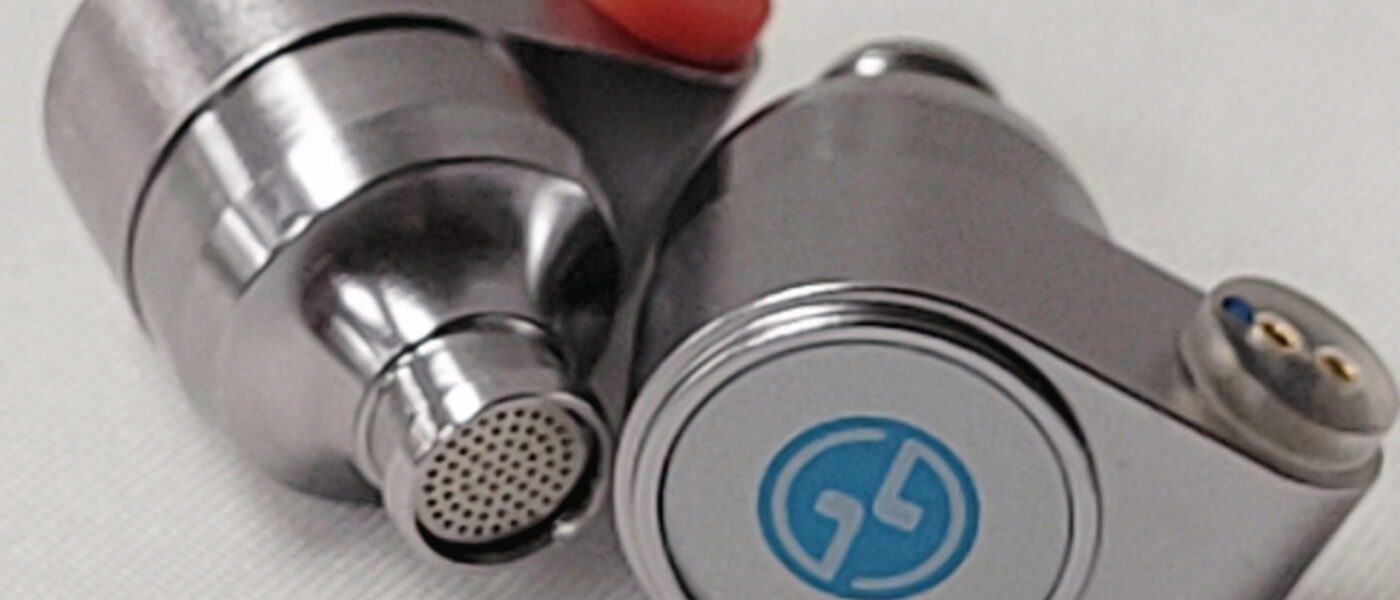
TinHifi T2 DLC
disclaimer: The TinHifi T2 DLC was sent for review by by TinHifi. I have no financial interest in either TinHifi or any distributor, retailer, or subsidieary, but have reviewed several items from TinHifi and will admit a bit of an expectation bias as the original T2 has been a standards bearer for budget in-ears for quite some time. For more information on the T2 DLC or other TinHifi products see their website.
Unboxing / Packaging:
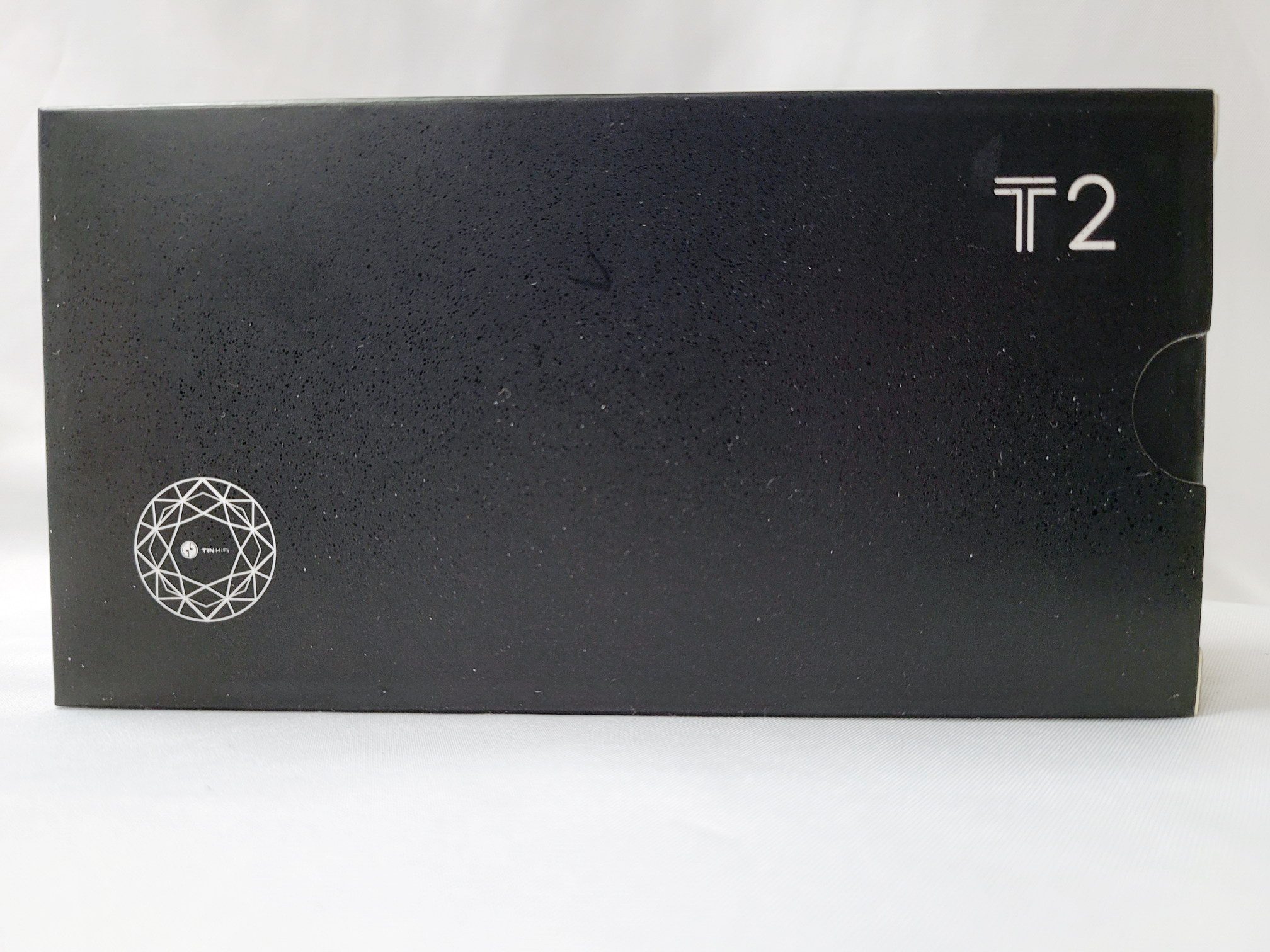
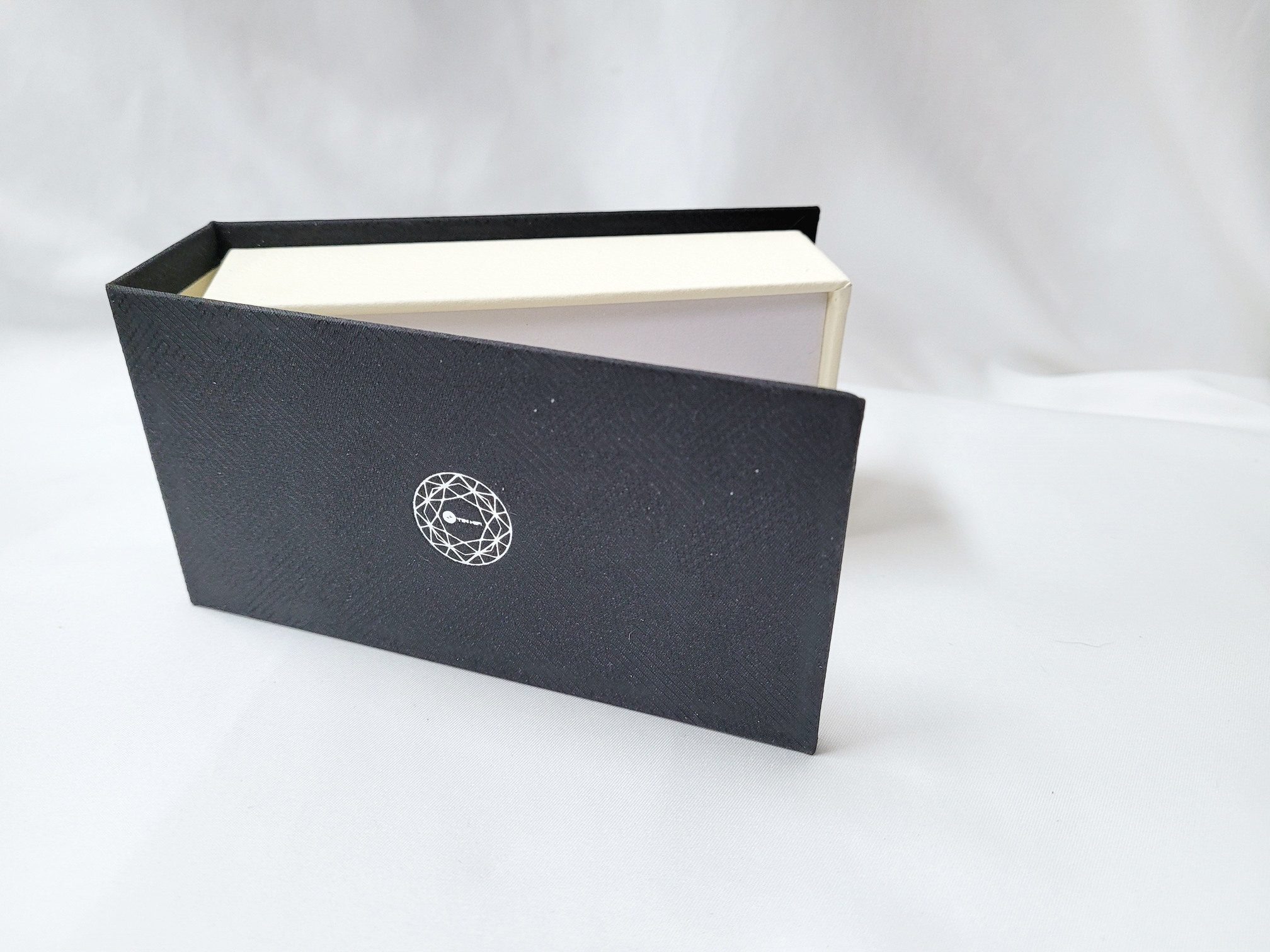
The T2 DLC comes shipped in a black book fold style box packed inside a black outer box. The outer packaging shows the TinHifi emblem and T2 on the front and various QR codes on the reverse but somewhat oddly doesn’t mention that this is a later generation product than the original T2. Lifting the cover reveals the earpieces in foam surround with the cable, 6 sets of silicone tips and a set of foam tips hiding beneath. There is no carrying case provided, but at the $40-50 mark it really isn’t expected although it would be a nice touch. The tip selection is better than most and the inclusion of a set of foam tips helps improve isolation.



Build/Fit:
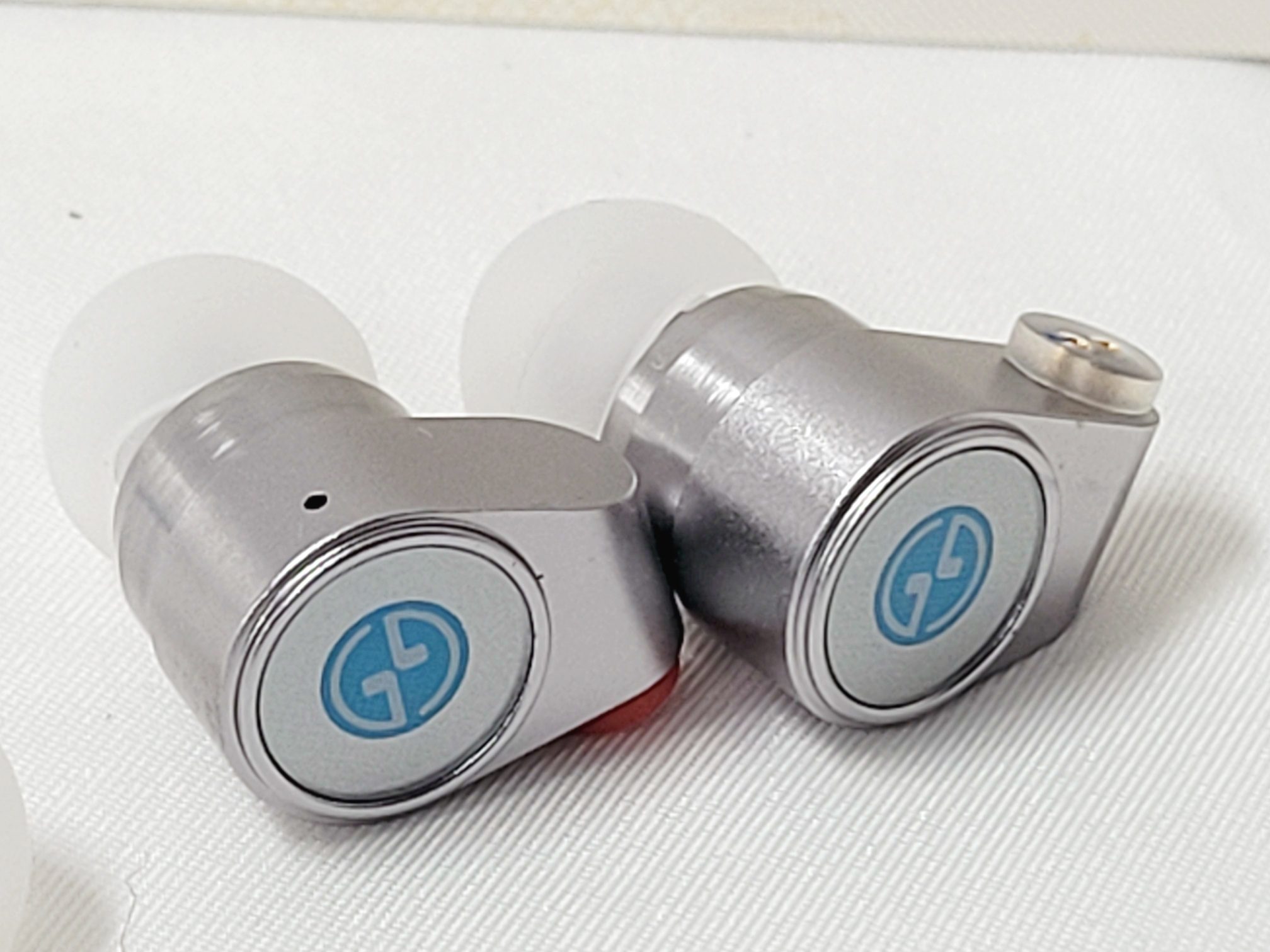
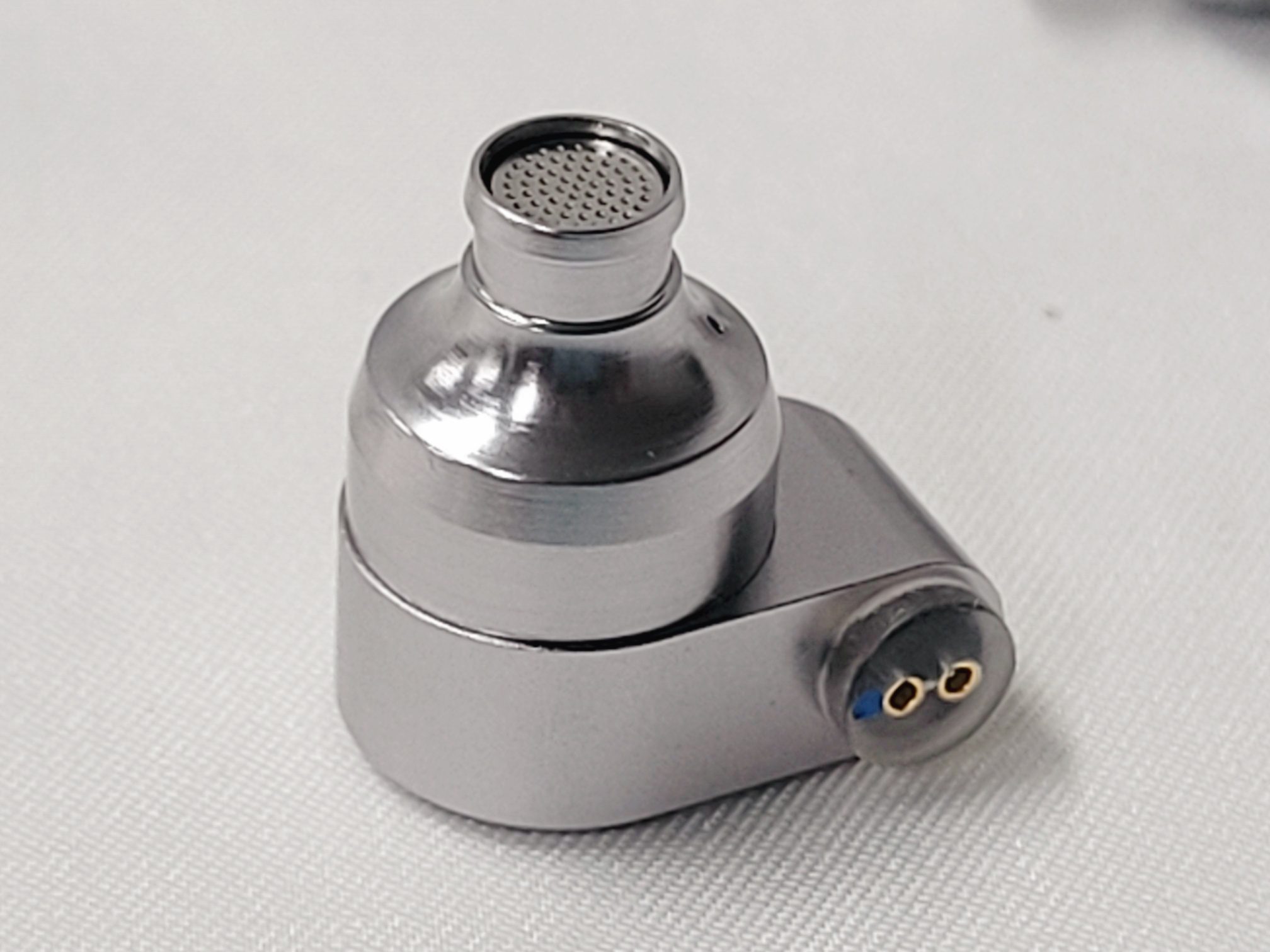
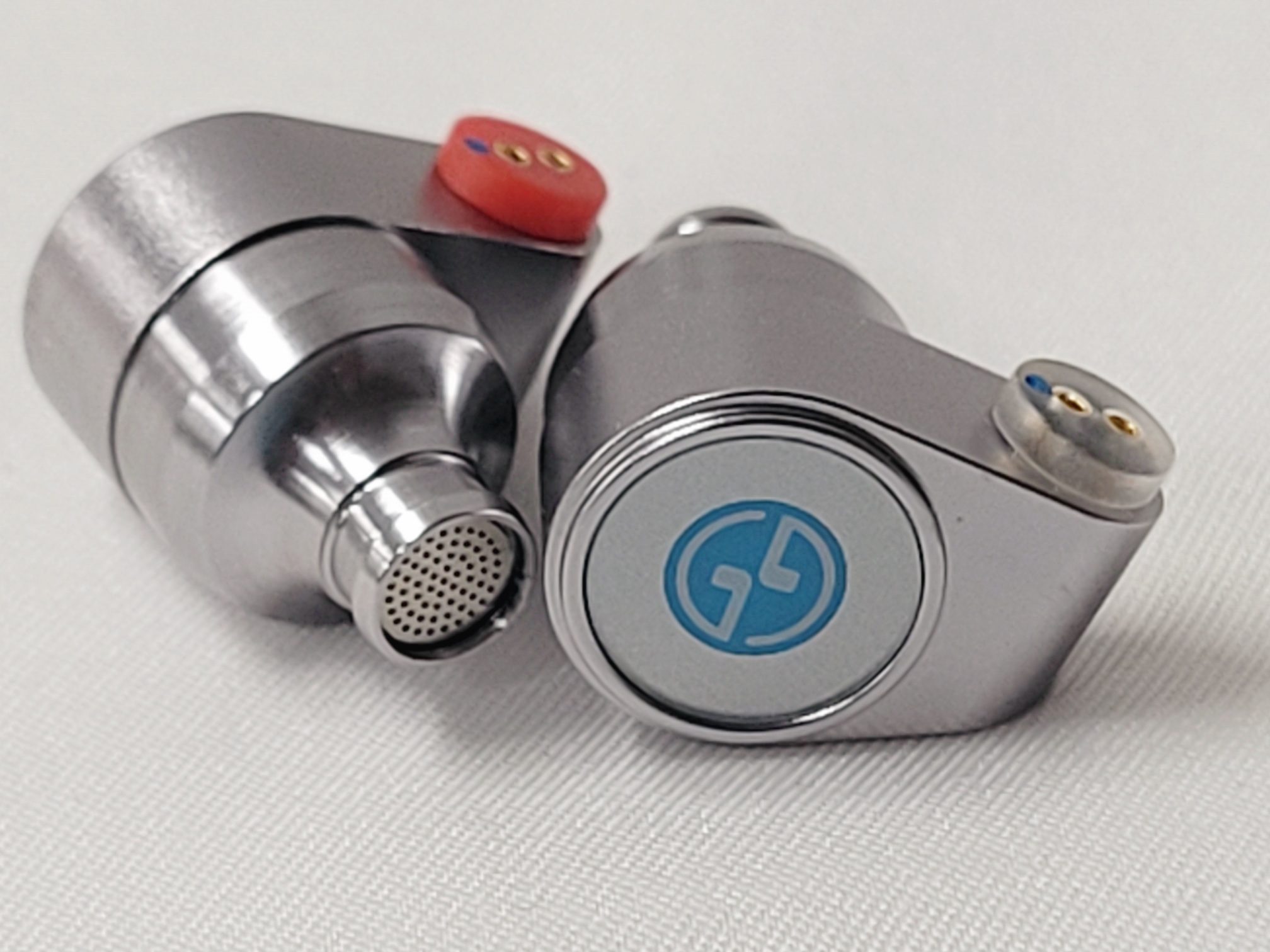
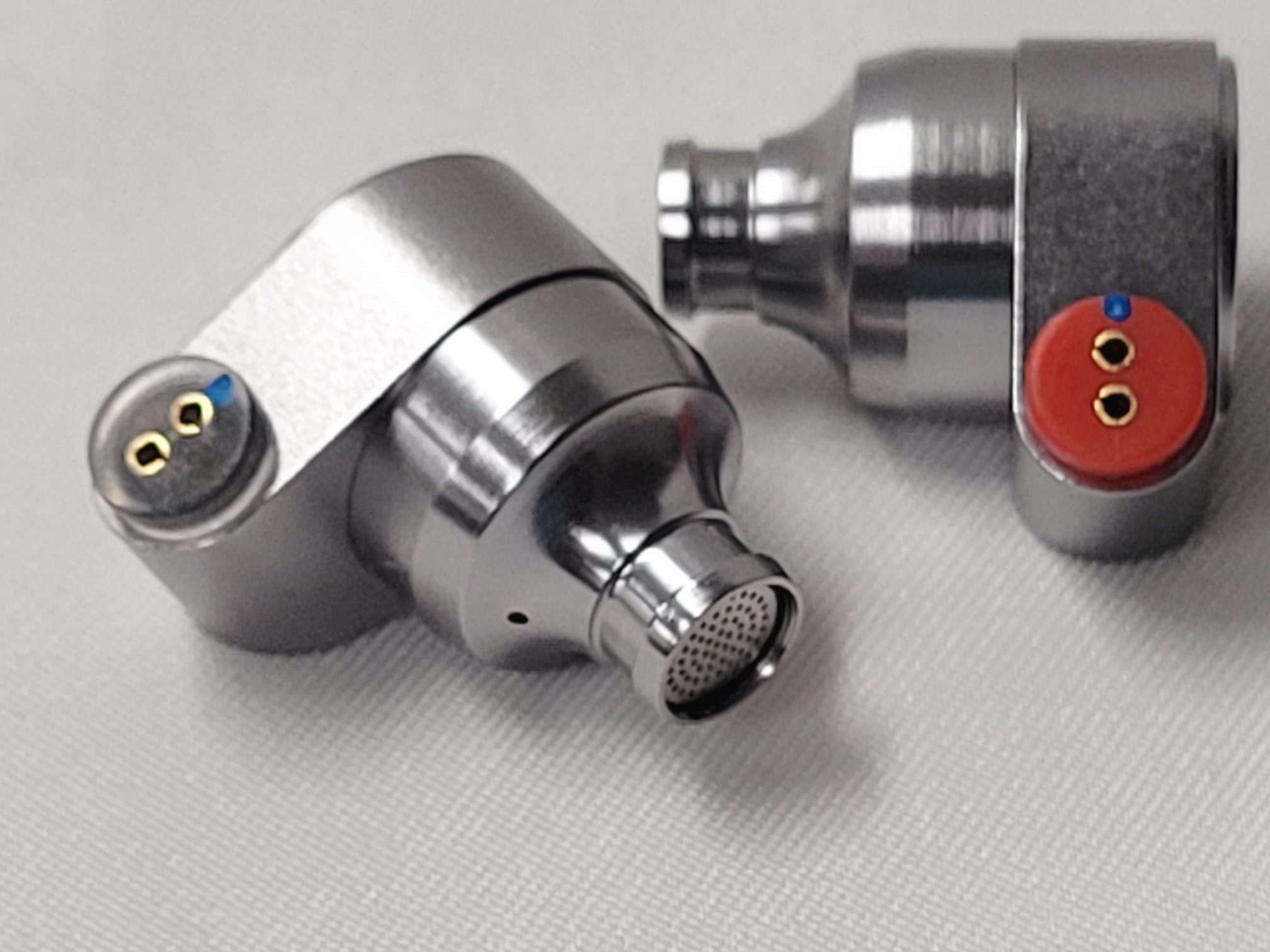
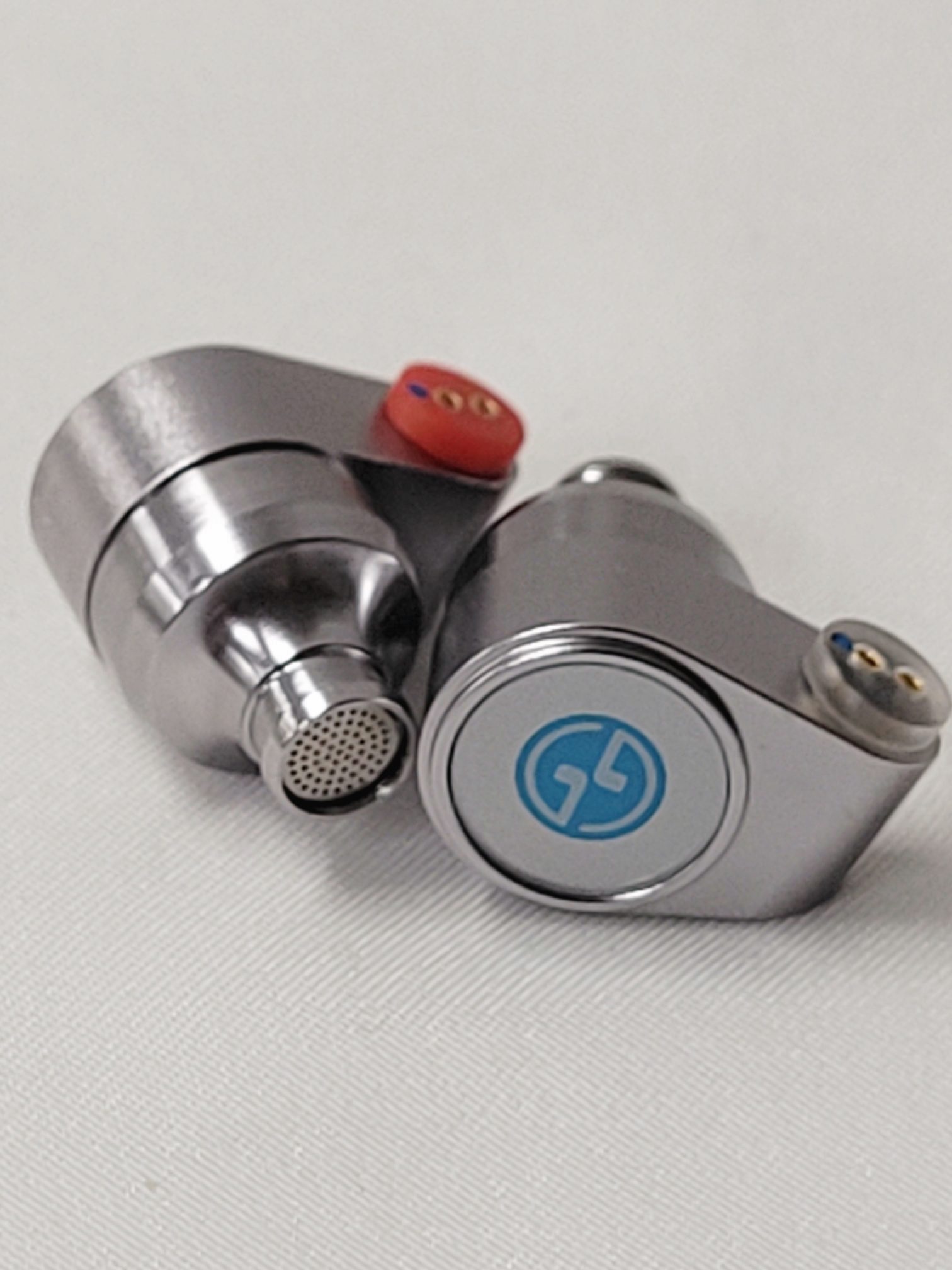
The T2 DLC retains the barrel form factor of the previous generations but has its own distinctive face-plates with the TinHifi logo in blue and a raised outer rim around the barrel. shells are all metal construction with a barrel style and the nozzles exiting the middle of the barrel for a straight in fit. The shell has 2 vents, one small one near the nozzle and one larger one on the outer band on the bottom of the earpiece. Connectors are marked red/blue on the mmcx plates. Fit is easy with this shape and insertion depth and tip size can be altered to find the most comfortable fit. Isolation is average unless foams are used, but depth is more than average due to the design. I can use medium tips and get a good seal and better comfort than my normal selection of large tips when using this style of in ear.



Internals:
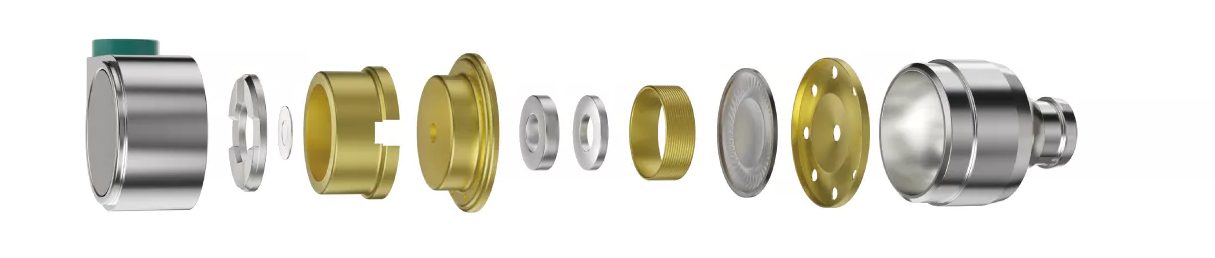
TinHifi has long been known for its use of 10mm dynamic drivers nearly exclusively in their T series products and this newest revision continues that with a single 10mm diamond like carbon diaphragm dynamic driver. A lot of design work has gone into this new driver as the new CCAW voice coil is imported from japan and mated with N54 magnets and a brass dual cavity housing in addtion to the DLC diaphragm. This makes the driver both faster and lighter than previous generations. Nominal impedance is listed as 32Ω with a sensitivity of 103 dB/mW. The T2 DLC is easy to drive with a smartphone dongle or tablet, but does improve both qualitatively and quantitatively with more potent sources. I found the T2 DLC did very well paired to the Cayin N3 Pro and also the new Fiio M11s. I didn’t spend much time testing with the AK Kann Alpha or WM1a although the slightly warmer tone of the AK was a slightly better fit as it seemed more appropriate to pair the budget T2 DLC with sources that reflect the same price range.

Cable:
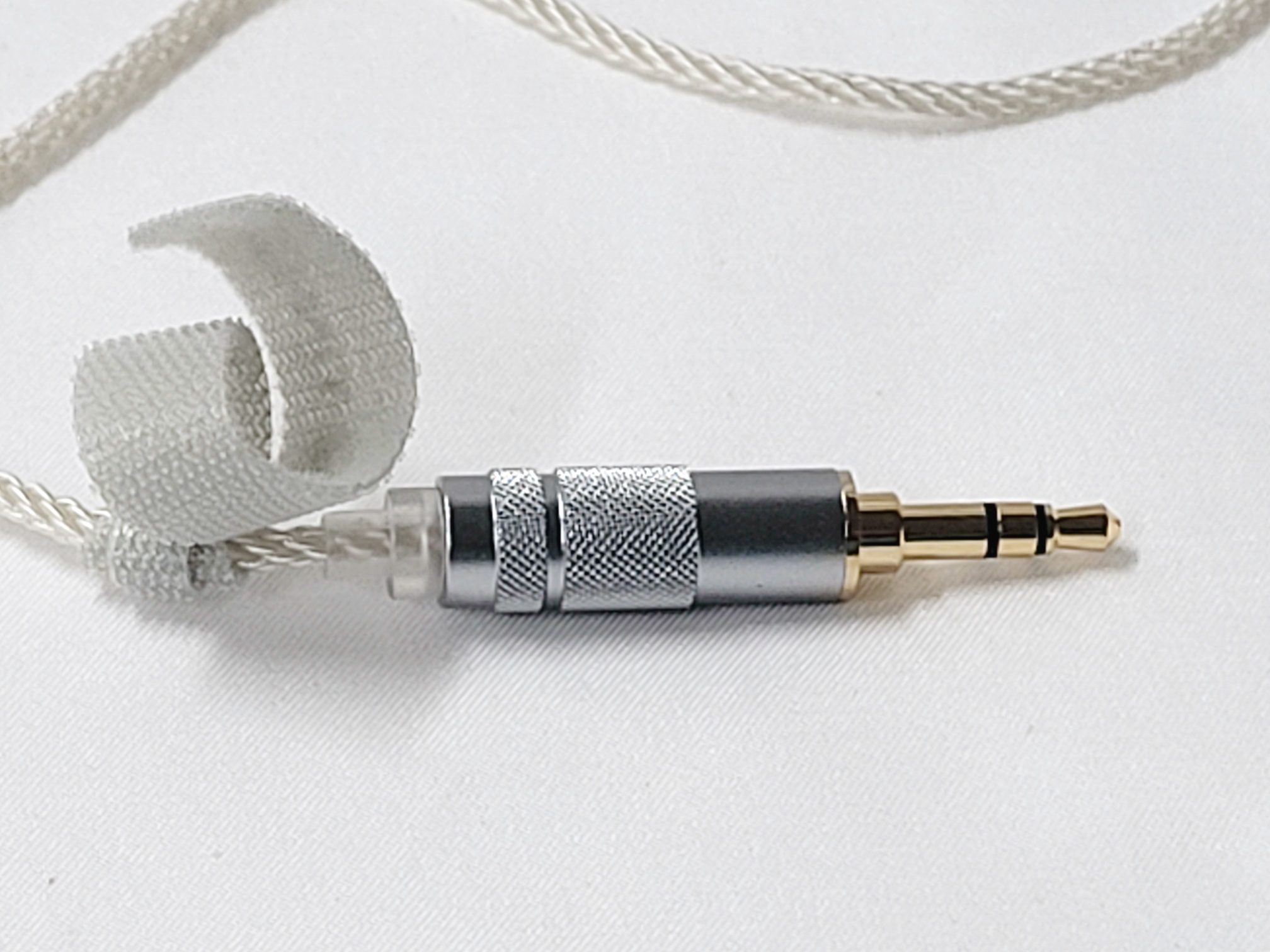
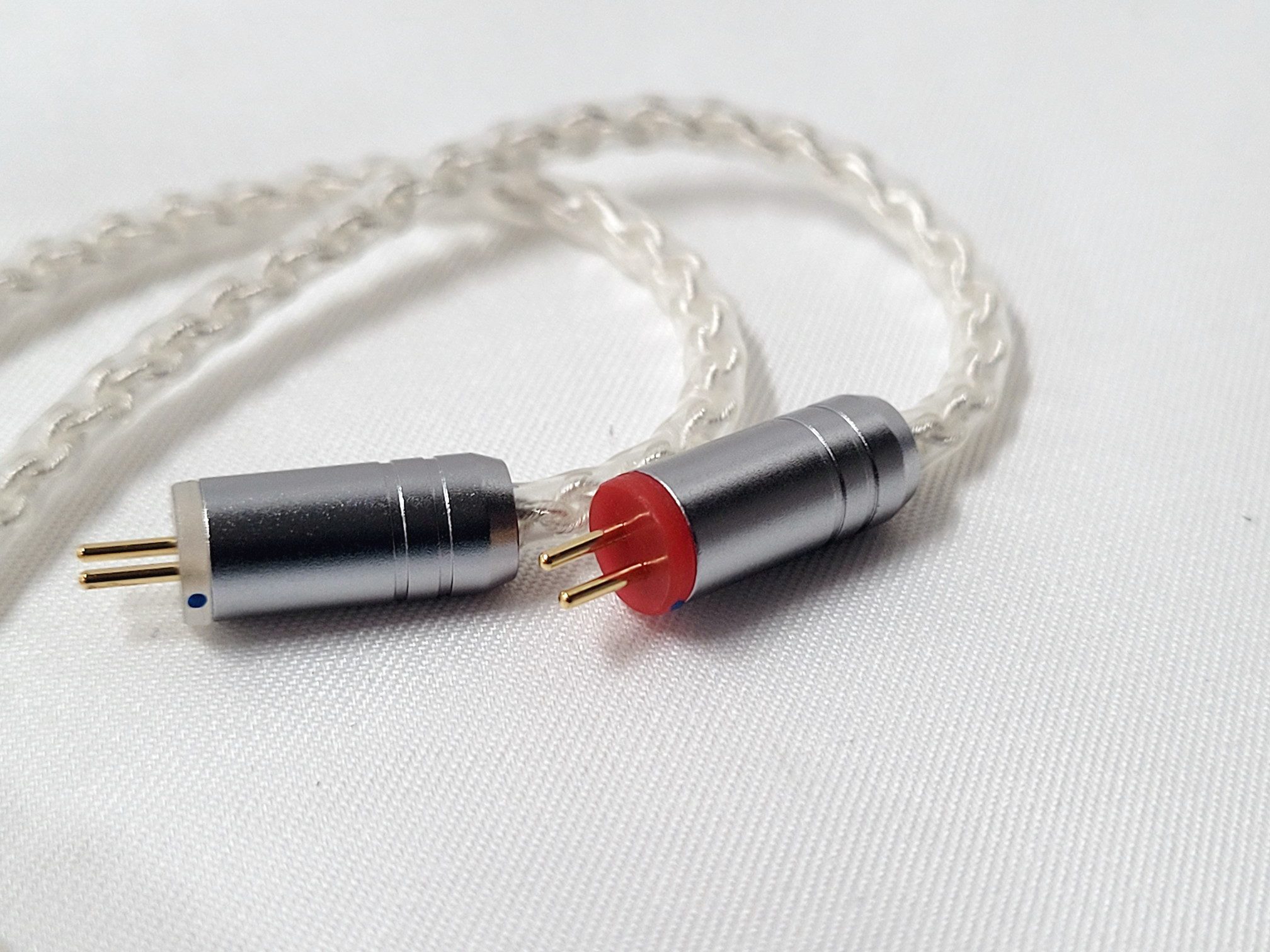
The provided cable starts with a 3.5mm straight TRS jack in a polished metal housing with a couple of knurled sections for grip. After a short strain relief, an 8 strand double twist of silver plated copper exits the jack. Each pair of wires is twisted together then all four bundles of two wires are twisted tightly from the jack to the splitter. The splitter is a matching metal barrel with a clear bead slider above it and 4 stranded twists exit the splitter and head toward the ear-hooks at the northern end. The ear-hooks do not have memory wire and terminate at matching metal housings with 0.78mm bi-pin connectors. the base of the right connector matches the red on the right earpiece for easy indexing. The cable is reasonably pliable and not particularly tangle prone but does come with a velcro cable tie for good measure. I find the cable to be quite nice for a budget model in ear.

Sound:
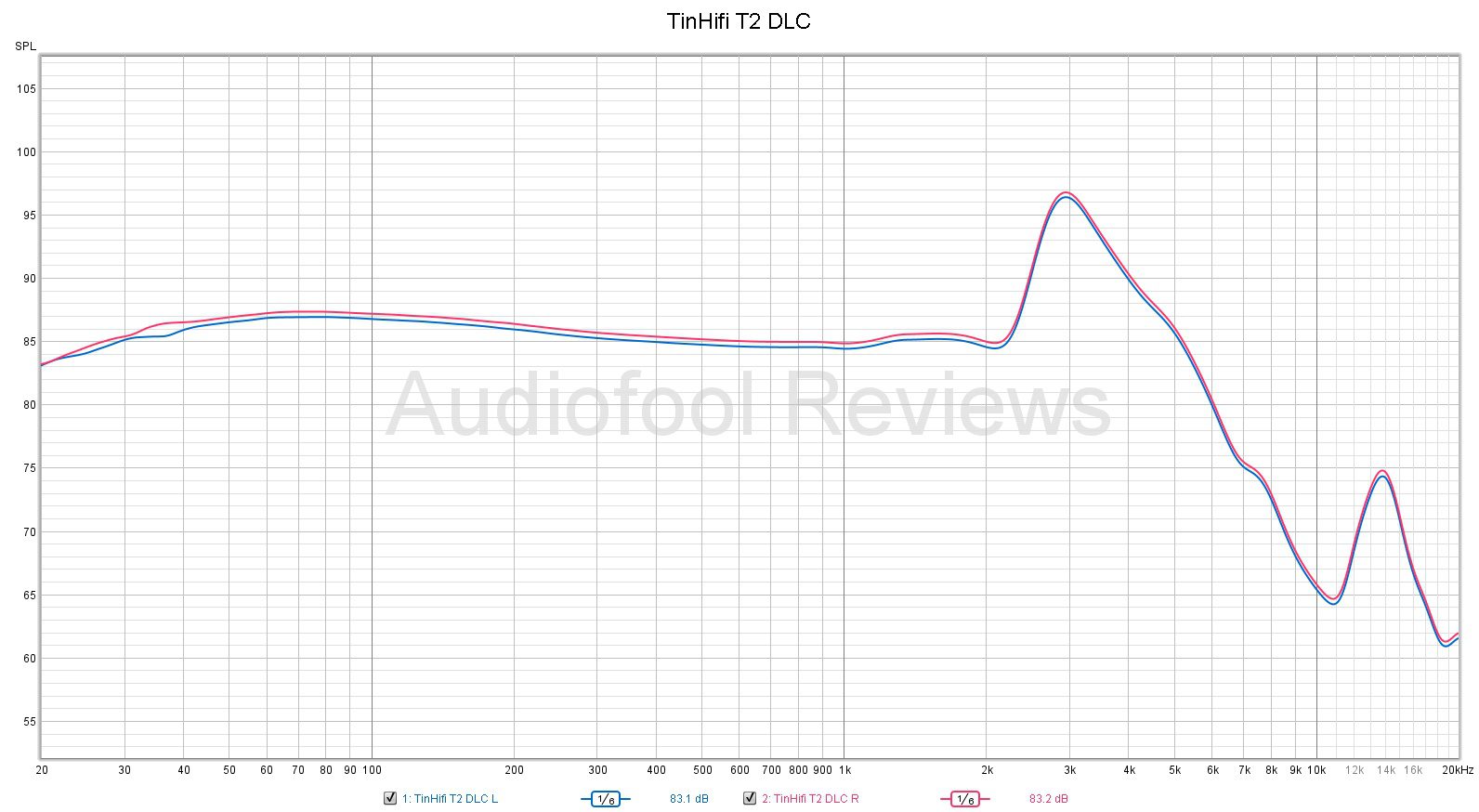
The graph below doesn’t accurately represent the sound I hear when listening to the T2 DLC. I ran the measurements on 3 different occasions, re calibrated the measurement rig, and tested other in-ears of known values in-between and had to come to the conclusion that while the graph does not appear to represent what I heard, it is indeed correct based on multiple measurements over a period of weeks with the calibration tested and rechecked in-between samples.
Bass:
This is normally the point where I say bass is elevated with a focus on the sub-bass, but that isnt the case at all. Sub-bass roll-off is evident in the mid-30s but has good weight and rumble above that point, with mid-bass following in near linear succession from the sub-bass. Much like the T4 tuning, the driver is very linear all the way from about 30Hz up to about the 3kHz range where it takes a distinct leap. There is a mild elevation to the mid-bass but at only a couple decibels, it is not the prominent V tuning so often seen on budget models. Bass has good texture with more detail than expected and good speed which helps with transparency and provides a clean low end to build on as we move up into the lower mids.
Mids:
The slight lift seen in the mid-bass carries over into the lower mids and gives them good weight and timbre with lower voices showing a nice natural tonality that is quite refreshing. Cello has good tone, and guitar growl is satisfyingly crisp as well. As we move up a bit that mild emphasis steps back and we lose a touch of energy that would have made strings and piano sound a bit more natural but in the overall its still quite good for a <$50 in-ear. The upper-mids do have enough rise to push higher voices forward in the mix and can at times become a bit strident depending on the track being played. Sibilance was not an issue unless recorded into the track, but I did find a few passages that came off as nasal due to the added energy in this range.
Treble:
The lower treble has a distinct rise that adds some energy lost in the upper mids back and helps stings a bit in the process, but also can be a bit too much at times as it can dominate the landscape. Snare rattle is sharp-edged and tight and cymbals have good tonalty if hi-hat is a bit dull. After the initial push, the treble drops back and is a very polite tuning not reminiscent of the T4 iteration of the line. There is enough detail to retain interest, but with a softness here that keeps it from being harsh or brash, I’d still classify the T2 DLC as slightly bright in its overall presentation, but not with a glare that sometimes accompanies that.
Soundstage / Imaging:
Stage on the T2 DLC is a bit deeper than wide with some sense of height in the mix as well which means seating the orchestra is fairly straight forward with the resulting placements being a slightly narrower than realistic stage, but still one with good instrument separation and no large gaps or overlaps. Imaging is good with movement being easily tracked and positional cues being readily identified with fairly precise placements on stage. Layering is good as well and one place where the T2 DLC shows a pretty solid improvement on the T4. Where the T4 did show a tendency to compress with faster more complex tracks, especially with complex lows, the T2 DLC does a much better job of keeping those cleanly separated.
Thoughts / Conclusion:
The original T2 has always held a place in my heart as one of the best budget in-ears and one of the best TinHifi product to date, so I went into this review with mixed feelings. On one hand the T2 DLC had great possibilities to improve on the things that made the T2 such a success, on the other hand it had the chance to ruin the things I had liked best about the original T2 and accentuate its weaknesses. So, the first time I put them in my ears, I did so with a “Here goes nothing” attitude. Thankfully the T2 DLC largely hits the right notes with a bit cleaner lows and a bit better instrument separation compared to the original and a bit more linearity than the T4 brought to the party. Those familiar with the rest of the T-series in-ears from TinHifi won’t find the T2 DLC a huge departure in tonality and the build will be even more familiar (which is ok as it was great to begin with). I really like the slightly bright tuning of the T2 DLC as it does a good job of mimicking what one hears at a live vocal, operatic, or orchestral performance without the added bass emphasis that so often sounds artificial on today’s budget offerings. If you have enjoyed any of the other T-series in-ears, you’ll find the T2 DLC a more refined and cleaner version of what you’ve heard of the others.
Tin Hifi T2 DLC
-
Bass - 8/108/10
-
Mids - 7.5/107.5/10
-
Treble - 7/107/10
-
Soundstage - 7/107/10
-
Imaging - 7.5/107.5/10
Summary
Pros – refined sound signature is best TinHifi to date, design makes fit easy for all size ears, cable is 1st rate
Cons – None at the price point.