
NiceHCK DB1
disclaimer: The DB1 was sent for purpose of review by NiceHCK. I have no financial interest in NiceHCK, any of its suppliers or distributors, nor have I received any guidance or payment for this review. If you have an interest in the DB1 please visit NiceHCK’s Facebook or Aliexpress page.
Unboxing / Packaging:
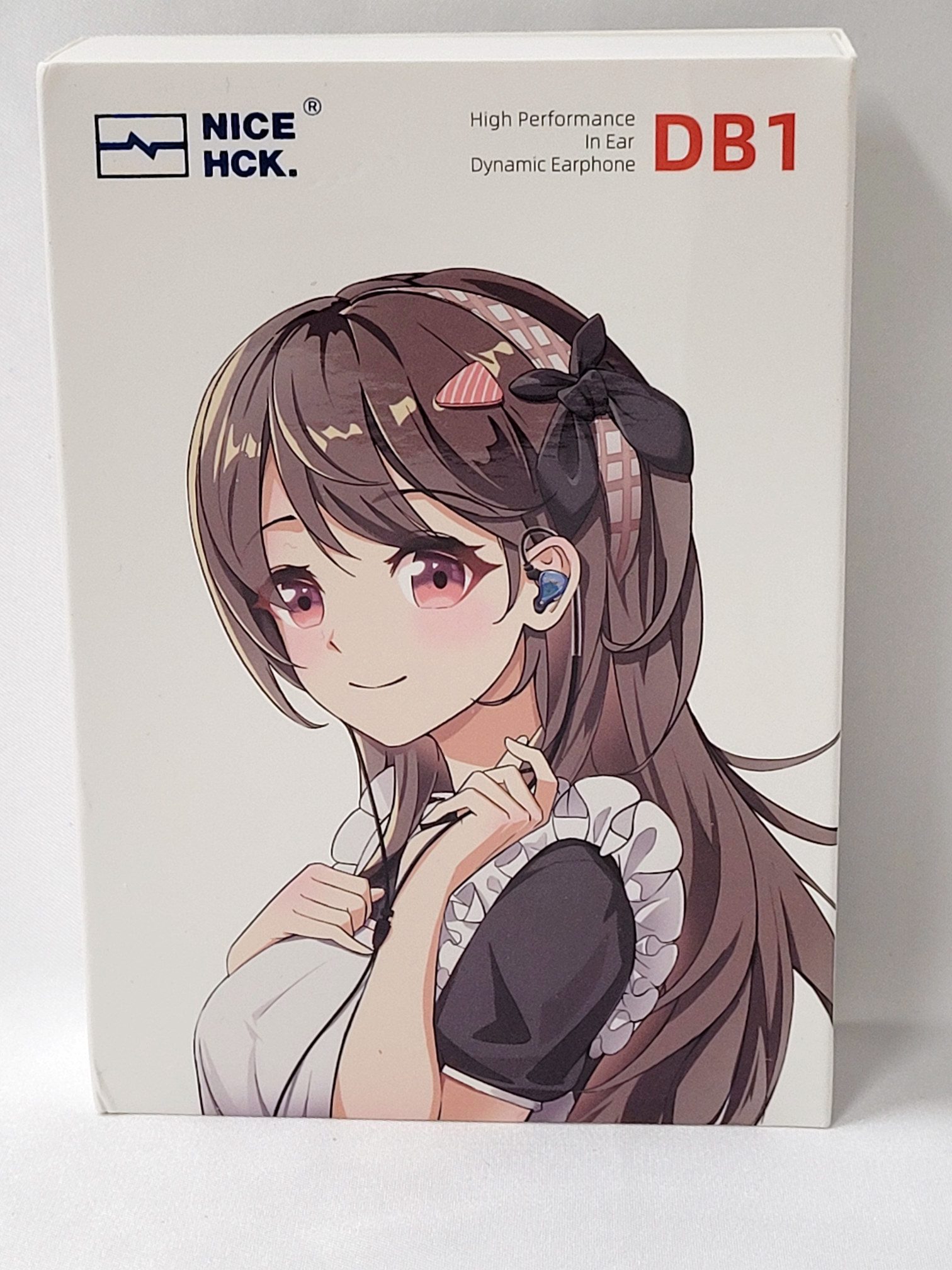
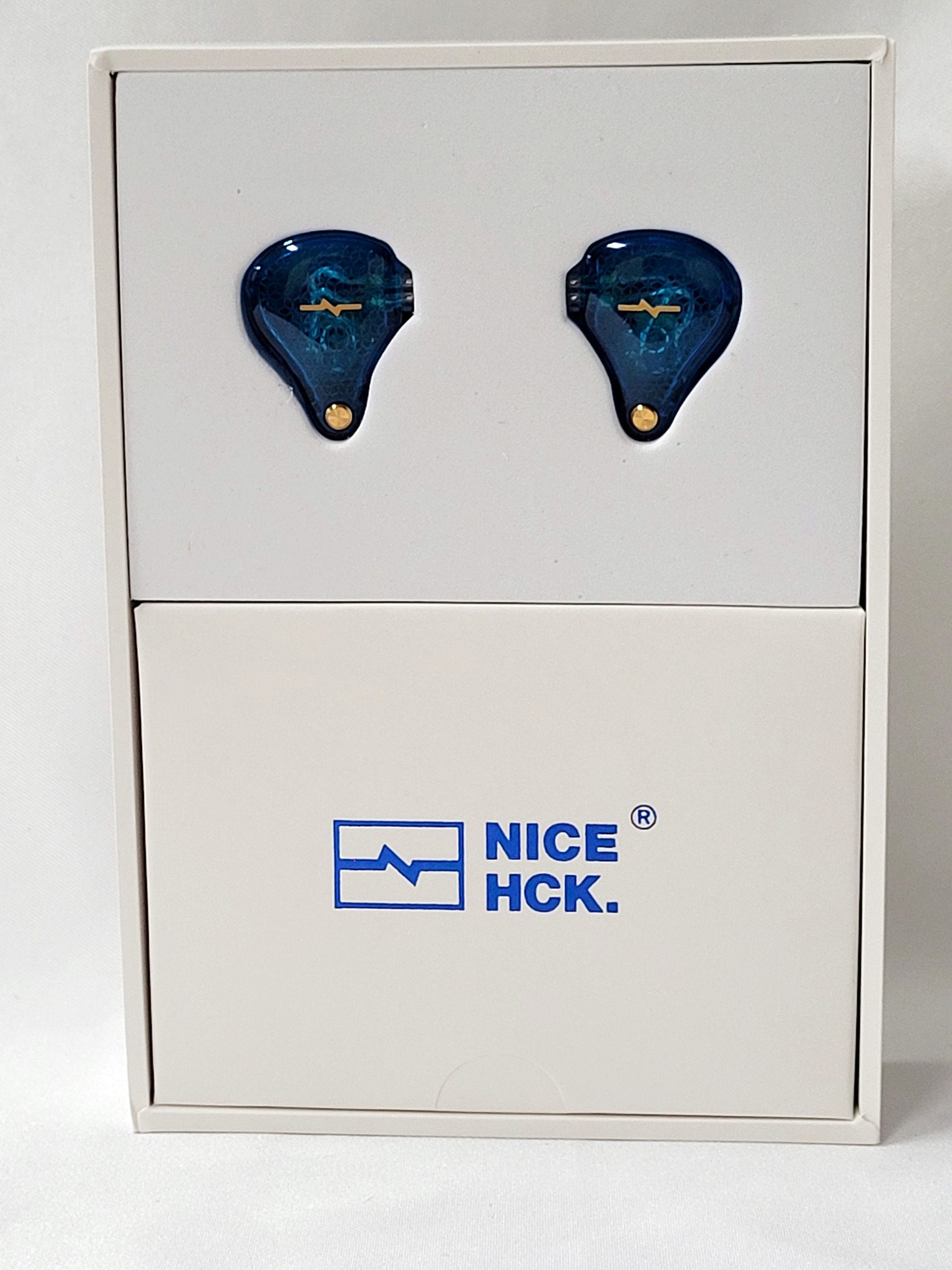
So yet another manufacturer is now putting waifu on the packaging as the new NiceHCK DB1 joins the trend. The majority of the front of the packaging is the character and although she does appear to be wearing the DB1 in the drawing, one would be forgiven for not immediately noticing that or realizing this was indeed an earphone. the wording does list the contents as the NiceHckDB1 in-ear, but is enough smaller than the drawing that it isn’t likely to draw your attention. The rear of the box is much more typical with specs in English and Chinese and color photos of the DB1 in both black and blue finish with check-boxes to indicate color and presence of a mic. Lifting the lid reveals the earpieces in a foam surround with the cable, tips, and shirt clip hiding underneath. The kit is fairly spartan but with a price tag of $16 USD, it offers all the basics needed.


Build/Fit:
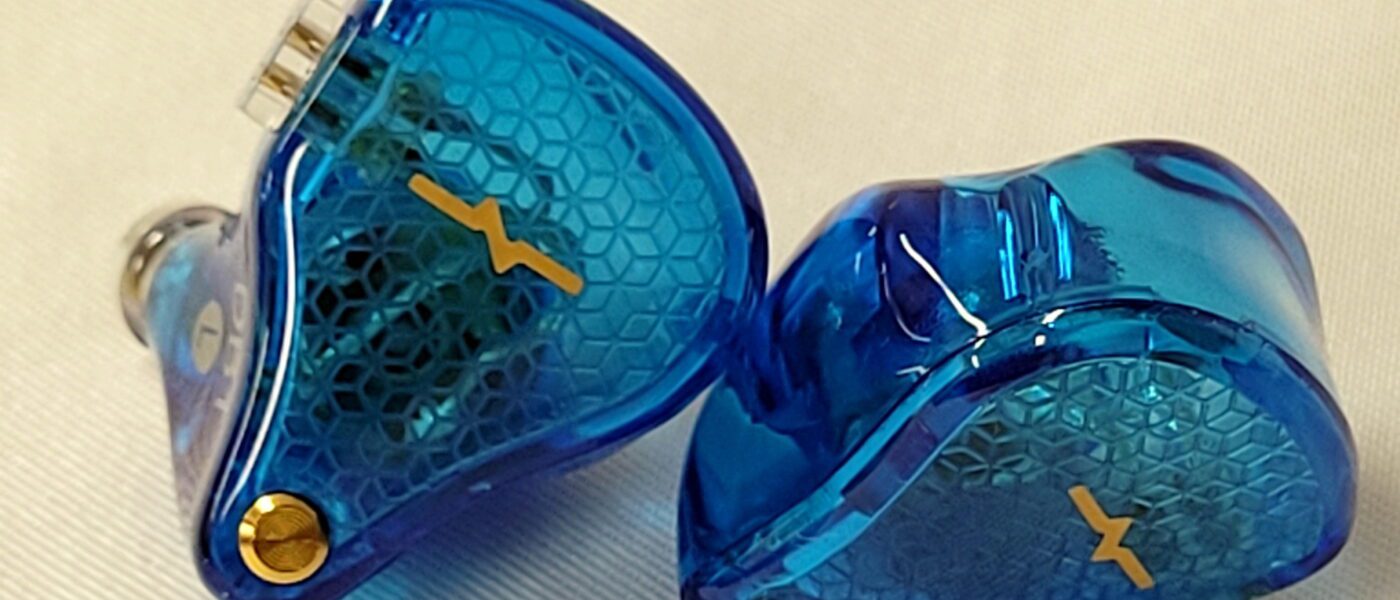
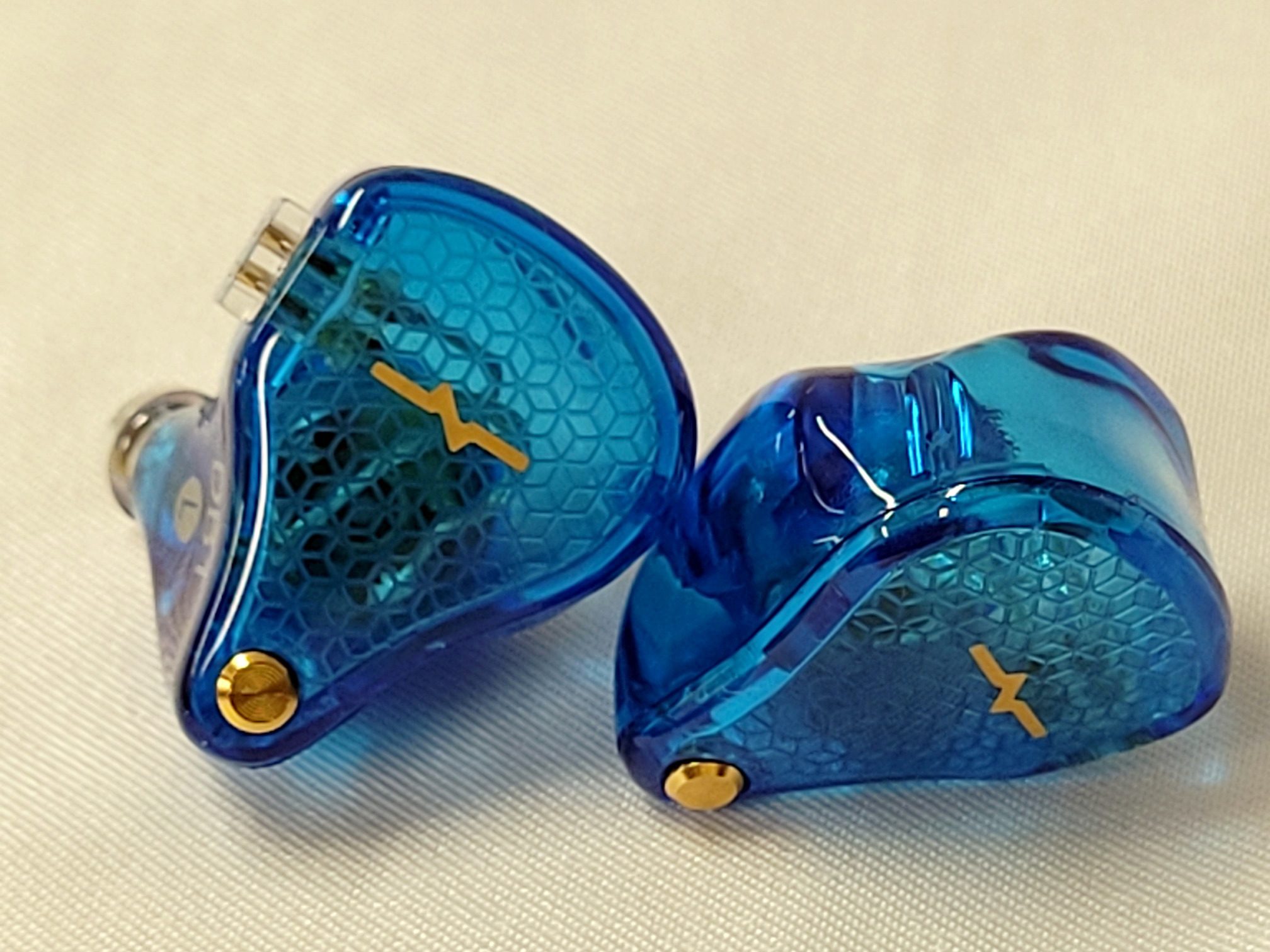
Construction is largely transparent plastic with a brass pin at the bottom of the face plate and an aluminum nozzle. My sample is in electric blue but a more subdued version in a gray/black color is also available if the blue is a bit too loud for some. The materials used are impact resistant and give the DB1 a nice solid feel despite the mostly plastic build. The shape is a small-mid sized inverted teardrop and fit should be fairly comfortable for all but the smallest ears. Nozzles have a slight forward rake when set in the ear but with most of the earpiece sitting behind rather than over the ear-canal isolation is somewhat limited. Nozzles have a large lip for tip retention and use standard sized tips so if the three sizes provided are not a good match others should be readily available. Connectors are the popular raised bi-pin style and are well mated to the shells.


Internals:
The DB1 is a fairly simple in ear utilizing a single 10mm dynamic driver with A PU biologic fiber composite diaphragm (Dynamic, biologic, single driver = db1). The driver lists a nominal impedance of 16Ω with a sensitivity of 106dB/mW making it easy to drive and not something that needs a dedicated amplifier to work well. I had no trouble powering the DB1 with dongles from my phones and tablets during my tests and found that if anything higher potency sources often exposed the noise floor a bit and were detrimental to the overall sound. The DB1 pairs well with things like the Helm Bolt, Xduoo Link 2, and Hidizs S9 Pro, but my favorite for a lightweight combo was the DD-Hifi TC35b. The two weigh almost nothing and its easy to forget they are in a pocket when not in use but provide plenty of detail and potency when in use.

Cable:
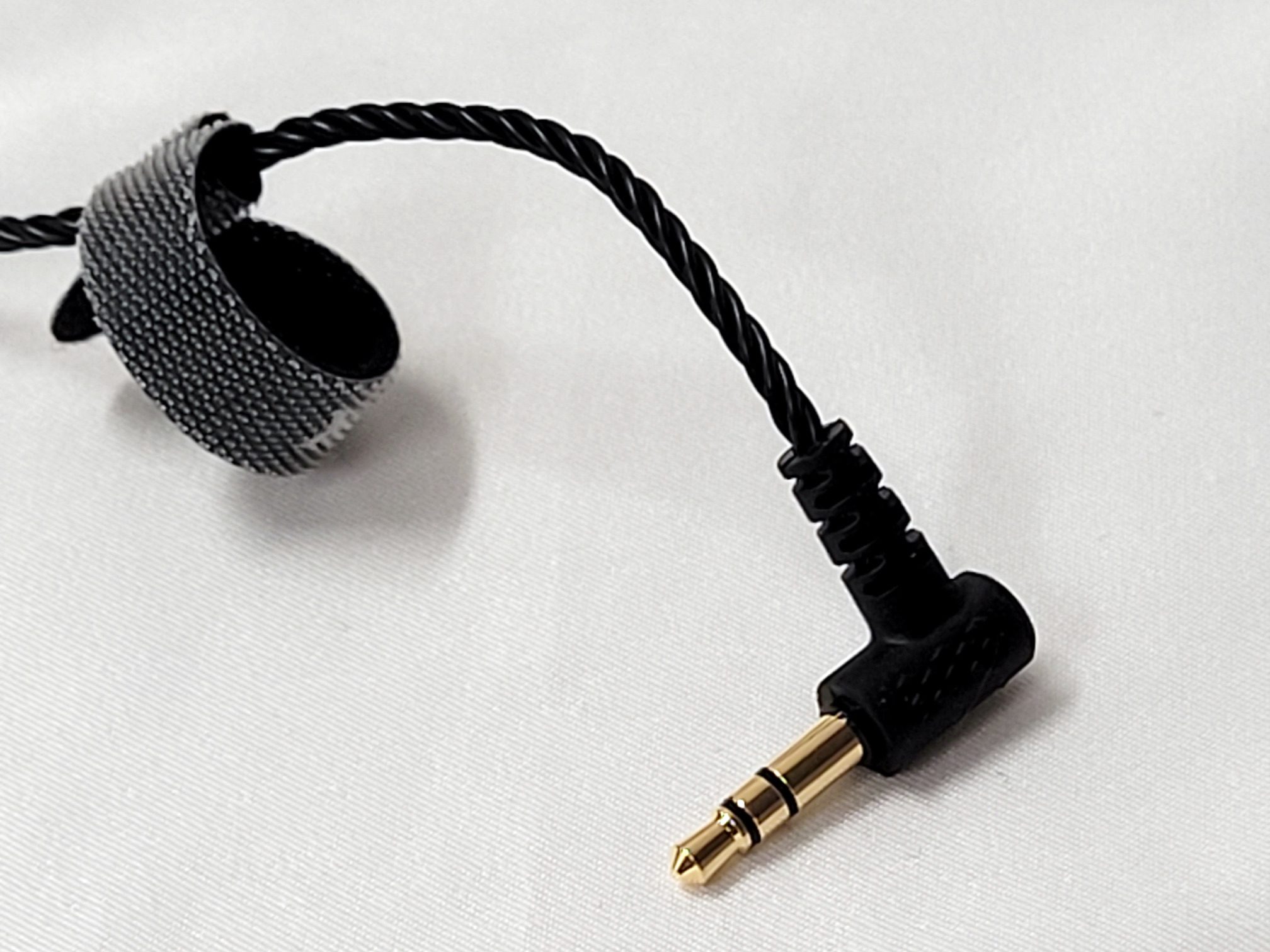
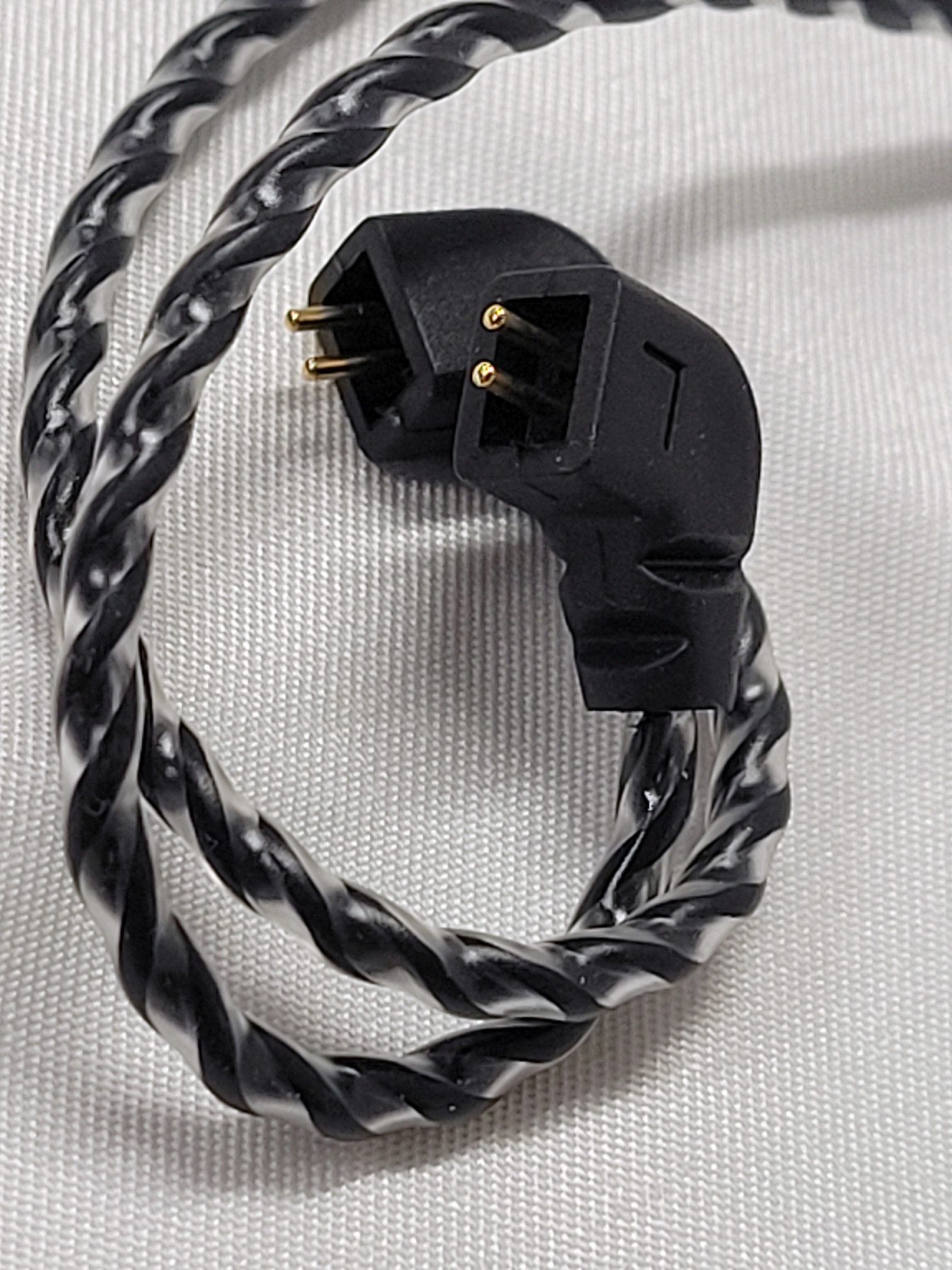
The cable will be familiar to those who have other recent releases from NiceHCK as it has the now standard 90º 3.5mm Jack, the 4 wire double twist cable from jack to splitter, a small V shaped plastic splitter and matching black chin slide. The north end is .78mm hooded bi-pin connectors with earhooks without memory wire. The cable is a solid offering for a base model, and thankfully the chin-slider was tighter on this cable than earlier versions so a bit more useful. NiceHCK has released a fairly complete list of 8 and 16 core upgrade cables so plenty of options exist should you decide to upgrade from the stock cable. This will be necessary should you desire a 4.4 or 2.5mm jack as the only options offered are 3.5mm terminated cables with and without microphone.

Sound:

Bass:
Sub-bass has good depth on the DB1 and there is good rumble when called upon, but it fades back when not the star and doesn’t overshadow the rest of the signature. The DB1 isn’t basshead kind of low-end impact, but is solid if a bit less textured than models as higher price points. Mid-bass has reasonable speed and control with a small amount of bleed and bloom that give it a bit of warmth but it has enough control and texture to keep it from soundy muddy. There is again good slam when needed, but only a slight emphasis when mid-bass is not front and center, and overall bass is better than anyone has a right to expect from an in-ear that costs less than the average business lunch.
Mids:
Lower mids continue the gentle drop started in the mid-bass but don’t sound recessed at all. The mids come across as not-emphasized, but not forgotten either. Lower vocals have good presence but are just short of realistic in weight. Guitar has good growl with enough edge to keep rock sounding accurate. You won’t find a lot of micro-detail in the mids as they simply are not a big focal point, but we do find more in the upper-mids as the level increases and it brings more emphasis and shine to female vocals as a result. Violin doesn’t quite have the energy needed to sound 100% accurate but it also stops shy of being fatiguing as realistically portrayed violins often can. The upper-mid emphasis brings higher vocals a step forward but gives enough presence to lower vocals that duets and vocal pieces sound natural.
Treble:
Lower treble plateaus from the upper-mid rise and gives the DB1 enough brilliance to sound open without becoming brittle in the process. Above the lower-treble, the levels fall back in the range we generally associate with fatigue and piercing sharpness as there is a distinct drop between 7-10kHz before lifting the level back to roughly the same level as the mid-bass in the 10-12kHz range and final roll-off somewhere around 15kHz. Snare has good rattle with enough sharpness and cymbals have good tone as well with just a little less energy than needed on hi-hat to sound true. There is enough air to sound open but sparkle is limited and may sound a little unexciting to those used to a big treble push.
Soundstage / Imaging:
Honestly, I’ve grown tired of looking for positive things to say about stage on most in-ears as they are all fairly intimate affairs without a lot of depth or height and with more width than realistic to try and compensate. Thankfully, the DB1 is better than most (I believe this to also be a function of tuning to diffuse field instead of the more common Harman or V). The DB1 is still not going to compete with open back headphones but the stage has some depth with proportional width and a decent sense of height which is unique in the extreme budget end of the market. Seating the orchestra is fairly straight forward as instrument separation is reasonably good. There are some minimal overlapping as the signature lacks some of the micro-detail needed to further separate similar instruments but at $16 this is nitpicking. Imaging is better than expected as well with movements easily tracked in space and fairly well defined. Layering is well, not as good and some compression does become evident as tracks get busy.
Thoughts / Conclusion:
For awhile there, NiceHCK was one of the darlings of Chinese earphones. They made a long string of really good models and developed a solid reputation. Then, things kind of came apart for awhile. Models were less well tuned, or gimmicky filters and face-plates. Some were good along the way, but NiceHCK seemed to have lost a touch of its magic along the way. The DB1 may be an indication that NiceHCK can recapture their earlier success. The DB1 is easily the best $16 spend in recent memory and the best tuned NiceHCK product I’ve auditioned in some time. It is not a giant killer and won’t compete with things at four times its price bracket, but what it does deliver is a good, slightly bright, very open sound at a price almost everyone can afford. Those who like rock, blues, and vocal performance will be particularly pleased with the DB1. These would be a good option for children where destruction is a very real prospect, college students where being thrown in a backpack or washed in a jeans pocket is quite likely, or just as an introduction to in-ears for the uninitiated. I can see a use for these on the go where if they get lost or damaged, the loss is minimal even for those of us with higher end models lurking in our collections. Those who are tired of every new model that hits the market offering a big V tuning will appreciate the more diffuse field tune of the DB1. For those wanting a more V-shaped listen the CCA CRA is likely a better bet (hip-hop, EDM, Dubstep) and my other recommendation at this price. The DB1 is the model to beat for me as its $16 price tag and solid tuning make it a great listen for extended periods without fatigue but with enough top end to not feel closed in.
NiceHCK DB1
-
Bass - 6.5/106.5/10
-
Mids - 6.5/106.5/10
-
Treble - 7/107/10
-
Soundstage - 7/107/10
-
Imaging - 6.5/106.5/10
Summary
Pros: affordable, diffuse field tuning, very polite tuning, non-fatiguing, good stage dimensions
Cons: plastic build may not be as durable as some, tuning may be too polite for some, minimal kit