
Yulong DA1
I’m trying out a bit of a different format here with a little more fluidity. let me know your thoughts via comments section
disclaimer: Thanks to Yulong and Andy Kong for arranging the tour of this unit. I have received no incentives or compensation and shipped the unit on the next reviewer at my own expense so if anything this review ran slightly into the red.
History:
Over the years, Yulong has made a series of All-in-One systems that saved on space and cost without compromising on build quality or sound. My first exposure to the brand was in 2013 when I got to try out the D100 MkII. It was a highly competent DAC/amp that retailed for just under $500 USD and offered USB, AES, coax, and optical inputs and both RCA and XLR line level outputs on the rear as well as headphone jacks on the front for high and low impedance models (both were 6.35mm). I remember being impressed with the prowess of the D100 and thinking it was at least as good as a lot of bigger name more expensive models. Jump to 2016 and I got to audition the D8/A8 pair which again offered a lot of value as it competed on an even footing with systems costing double its asking price. A couple years later a D10 entered my home and again I was impressed with the value proposition of it but price tags had crept up enough that it was now three times the price of that original D100 I had tried. In 2020 the Aquila II came in for review and it reset the barometer. It still had most of the feature set of the D10 but at a retail of $700. Now we are back to the Yulong I remember. All the features of the big names at a price that leaves you wondering why others can’t or won’t do the same.
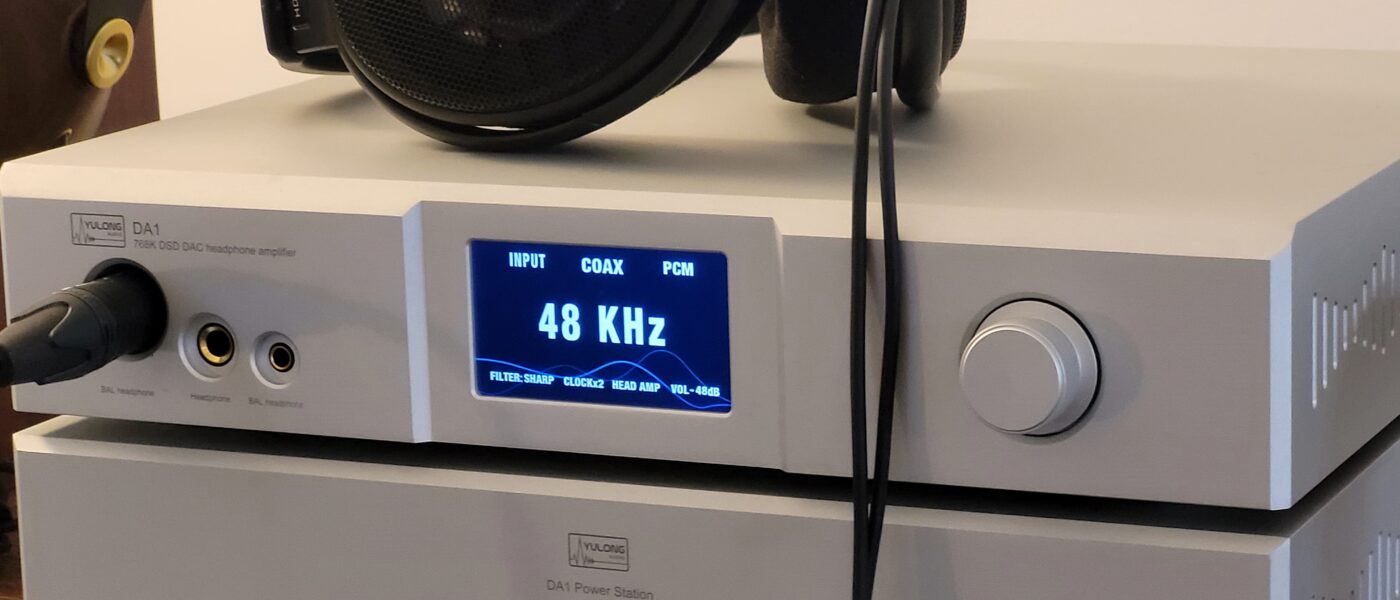
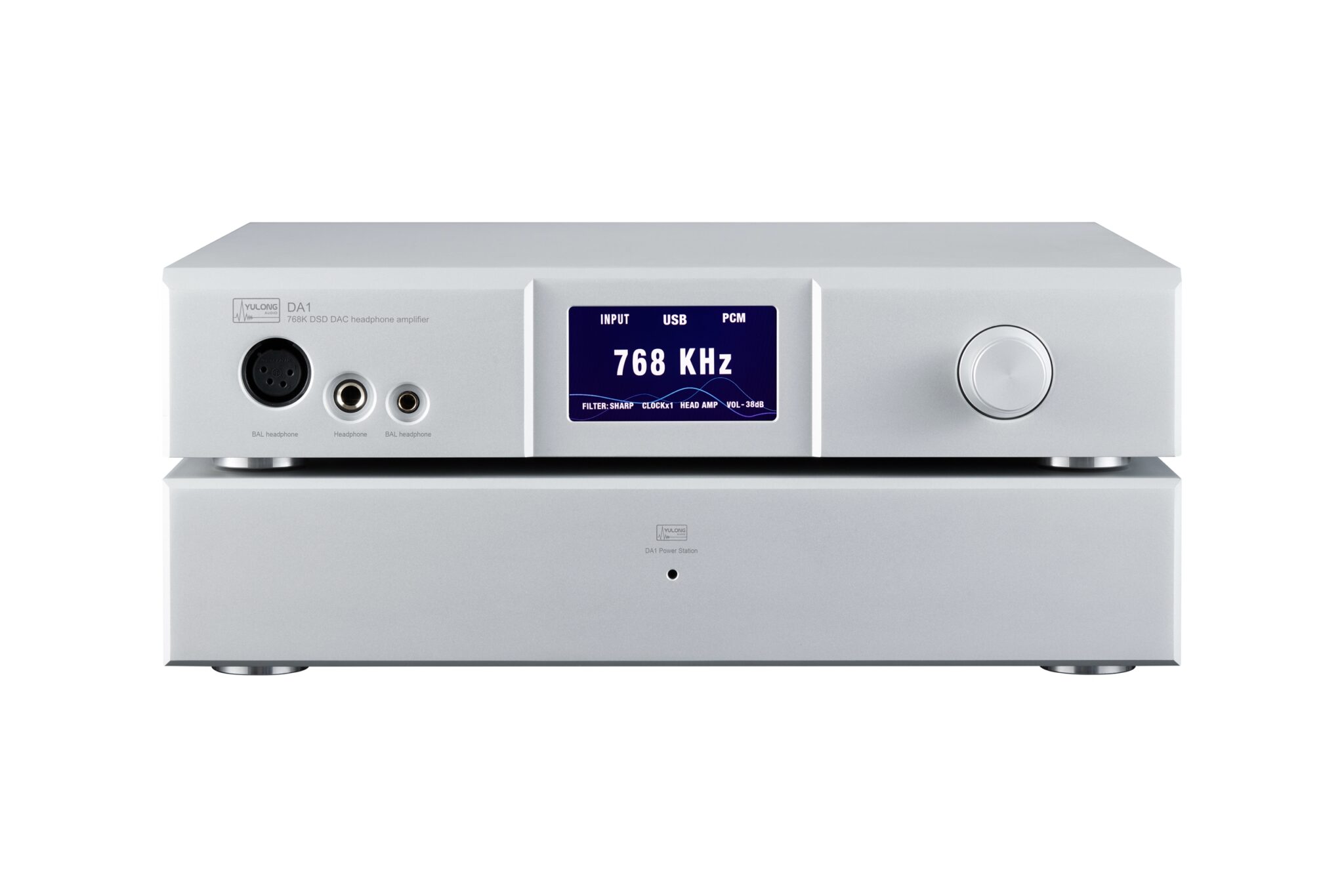
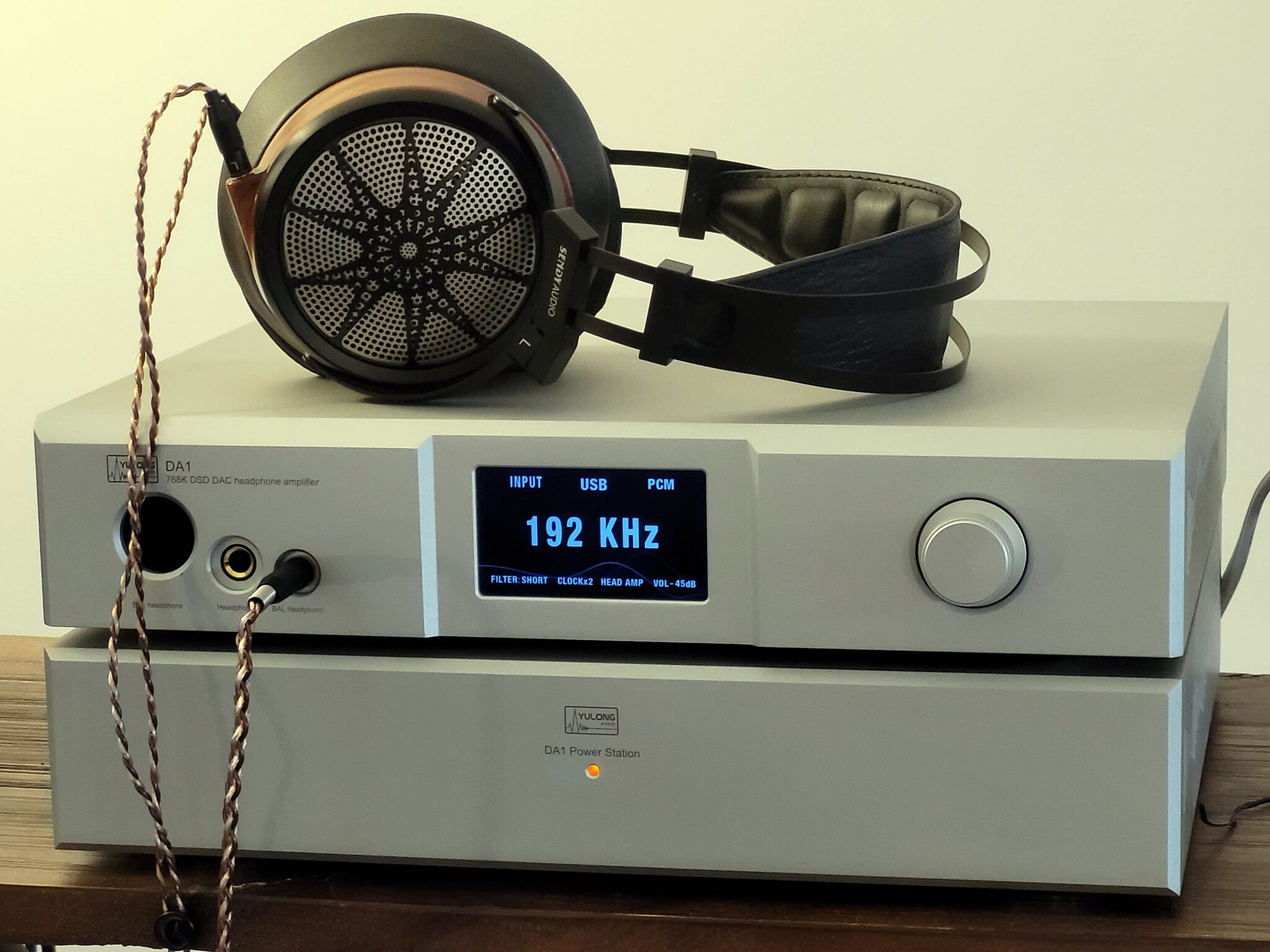
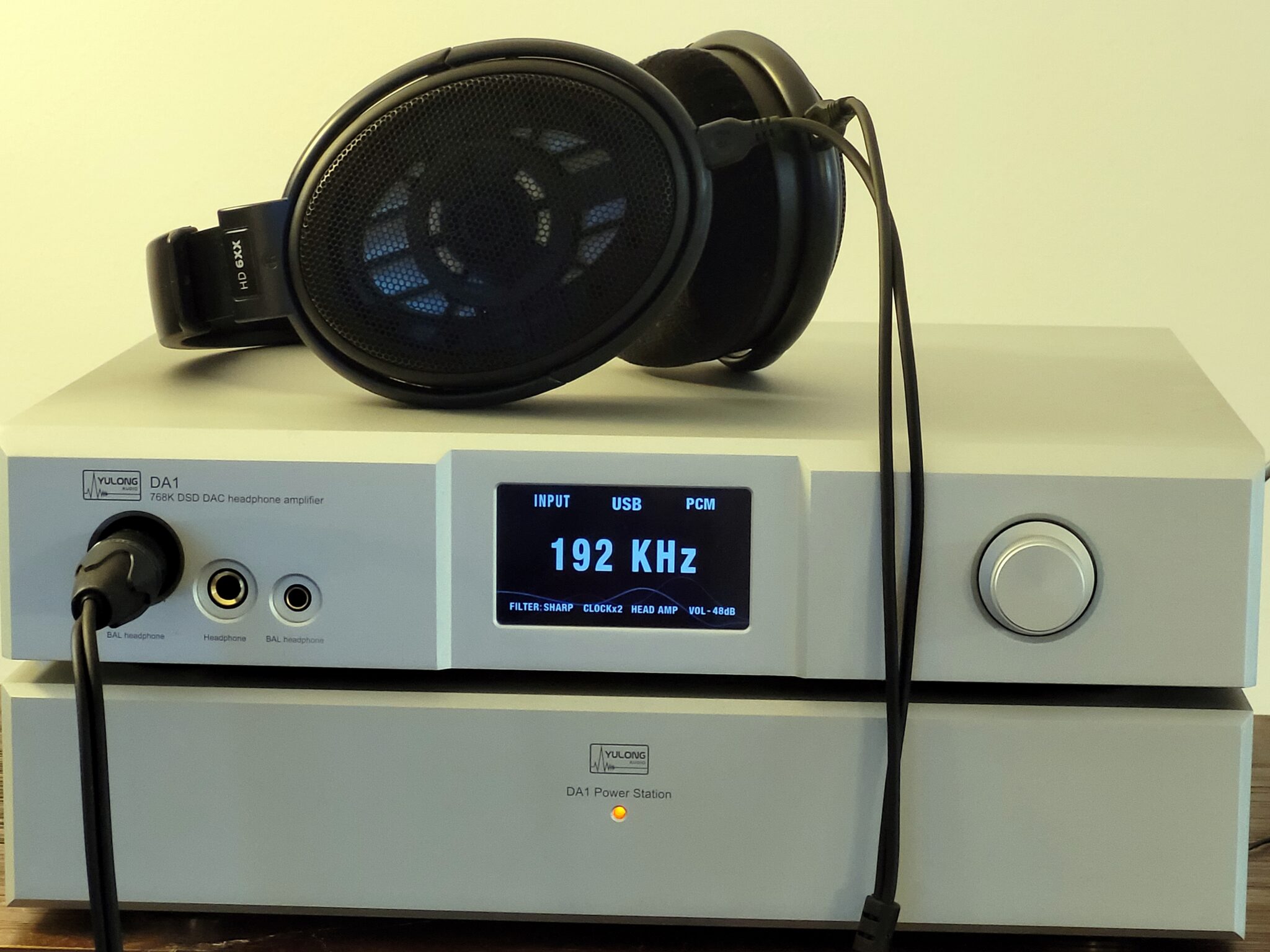
Today I received a monster box weighing nearly 15kg and marked Yulong on the side and I got excited. This was the DA1 – the new replacement for the D10 and on top of that it had the power conditioner with it. The DA1 is the new flagship of the Yulong family and the retail cost of the combo pack is roughly $3500 (on sale at HiFiGo). The DA1 by itself is two thousand of that price and the power conditioner is another fifteen hundred.
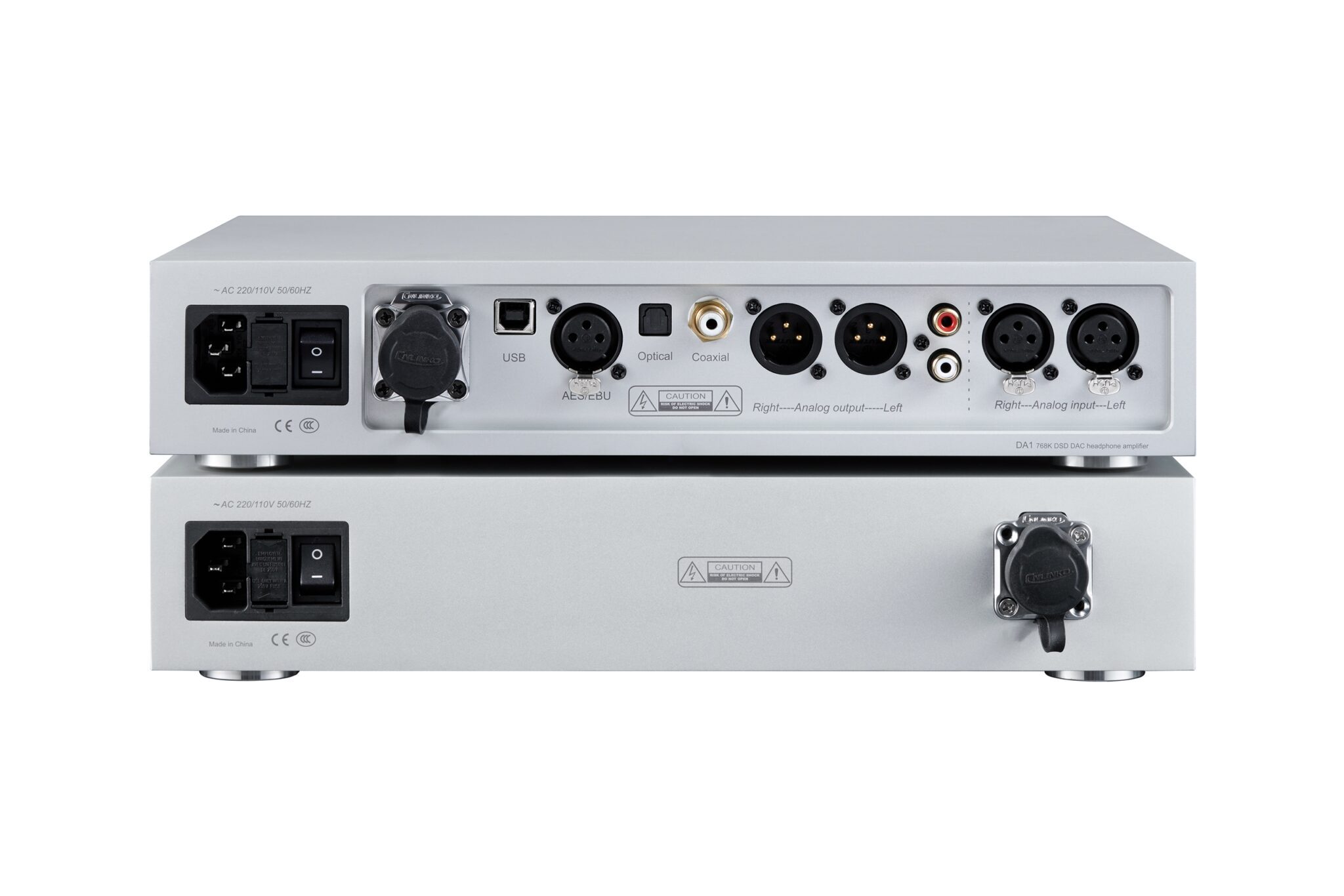
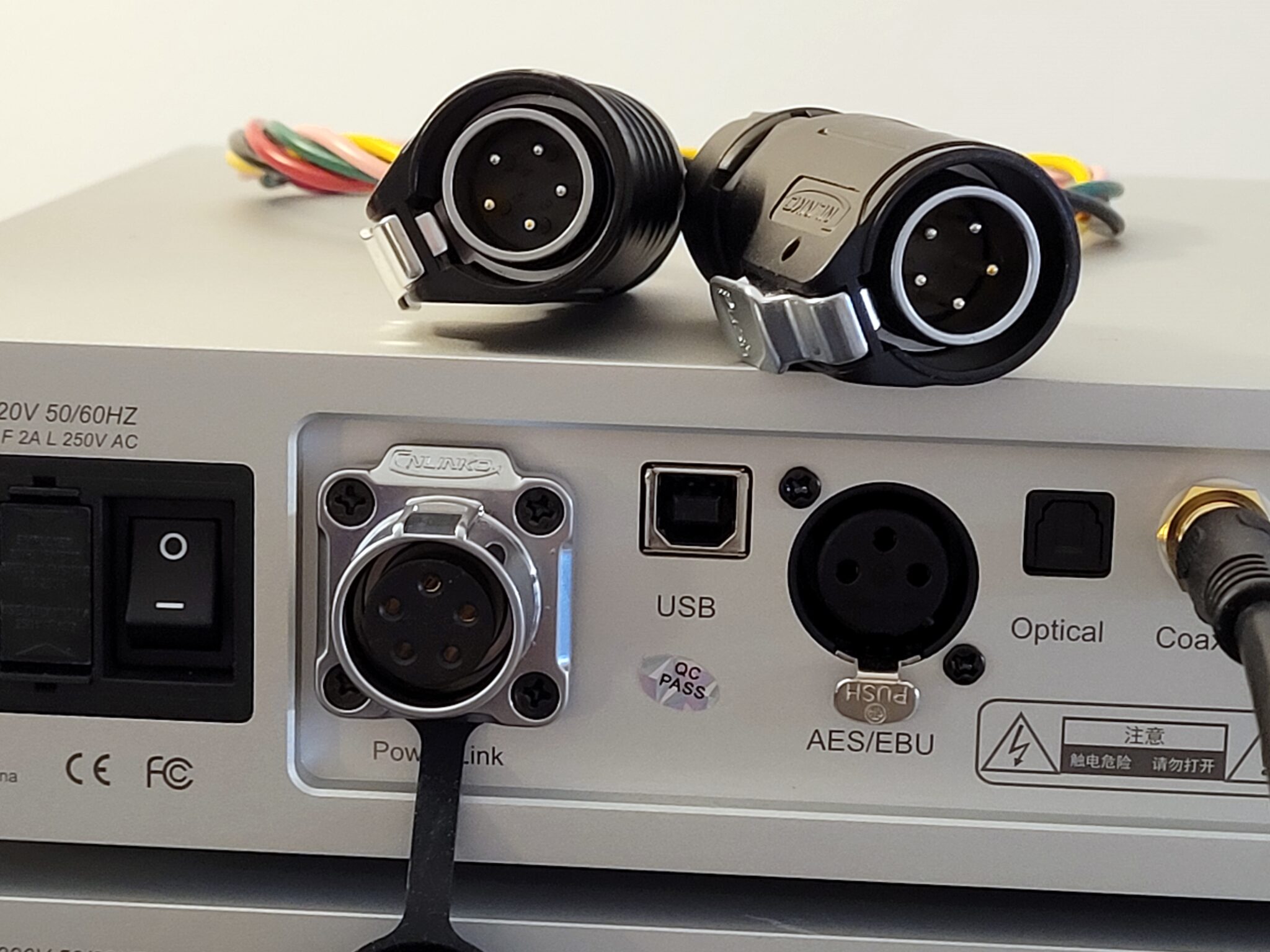
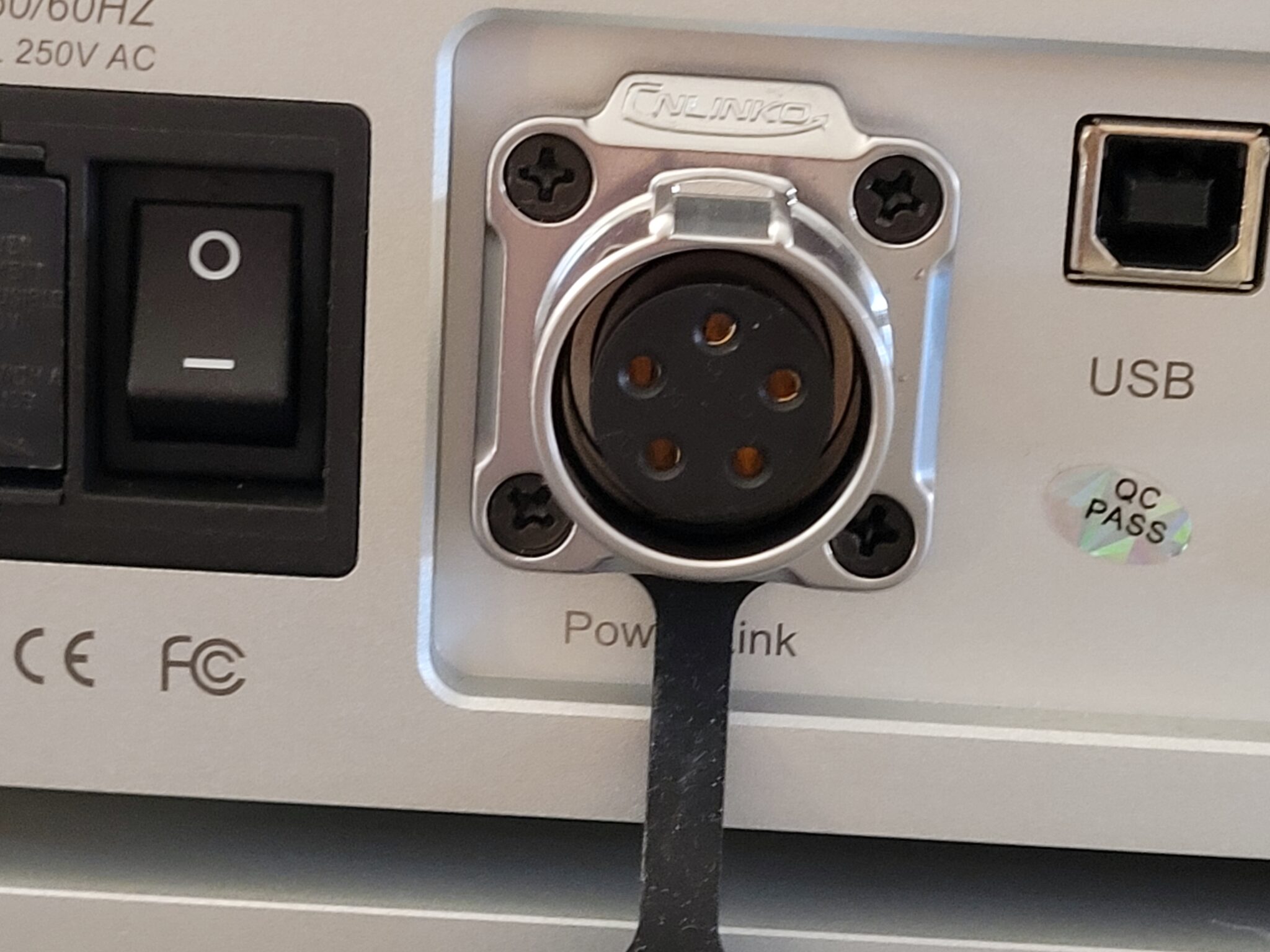
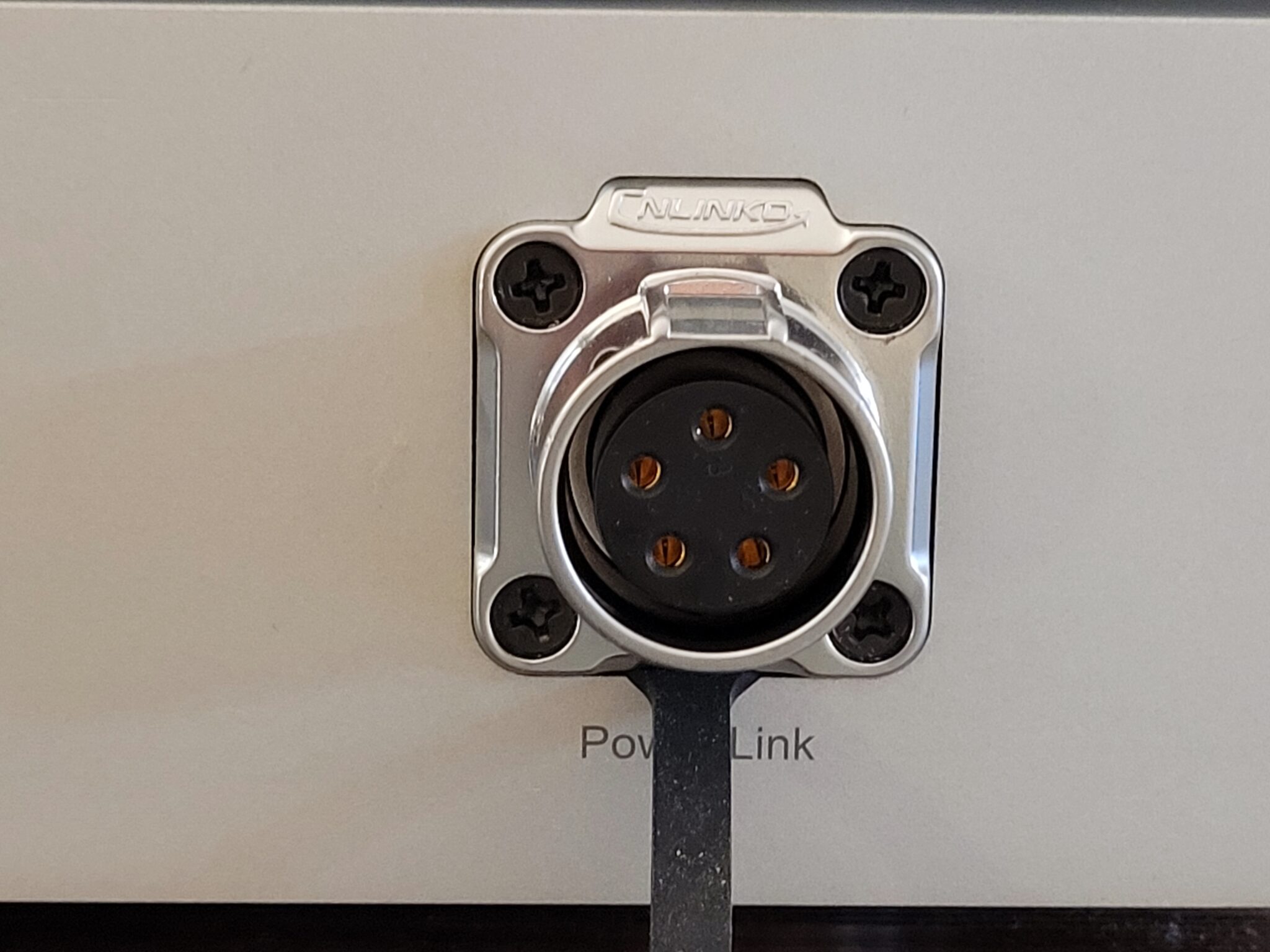
Unboxing the DA1, you get the unit, power cable, manual, and USB cable. Likewise the power station comes with the unit, power cable, and link cables of two different lengths that connect the main unit to the power station. I find it interesting that the unit ships with two power cables as you really only need one. Either the unit can be powered directly from the wall in which case the power cord is plugged into the head-unit, or the power station gets plugged into the wall and the head-unit receives power via the link cable. Power supplied by the power station effectively bypasses the internal AC/DC conversion on the head unit and injects DC power to the circuit where it would normally exit the internal power supply. This design allows for a simple power supply design to be used internal to the head-unit for those who have power conditioning equipment already or need to conserve space, while providing a more robust power supply for those who don’t have external power conditioning equipment and want the highest quality output possible.
About right now I can hear the chorus of “$1500 for a power conditioner?” Yes, and for those who live in areas with poor quality power who have not already invested in quality power equipment that isn’t a bad price. My power conditioning equipment for my headphone rack has a double conversion UPS, followed by a higher quality isolation transformer/power conditioner, and finally a monitored power distribution system designed for high precision, high demand environments. If you are invested at the level I am $1500 for a power conditioning system doesn’t seem quite so crazy and for those who typically have a single system at any given time, not only does the Yulong Power Station make economic sense, it takes up a lot less room and it looks a lot better besides. I’m sure the spouse approval factor would be considerably higher for the Power Station when compared side by side with something like my current power delivery system.
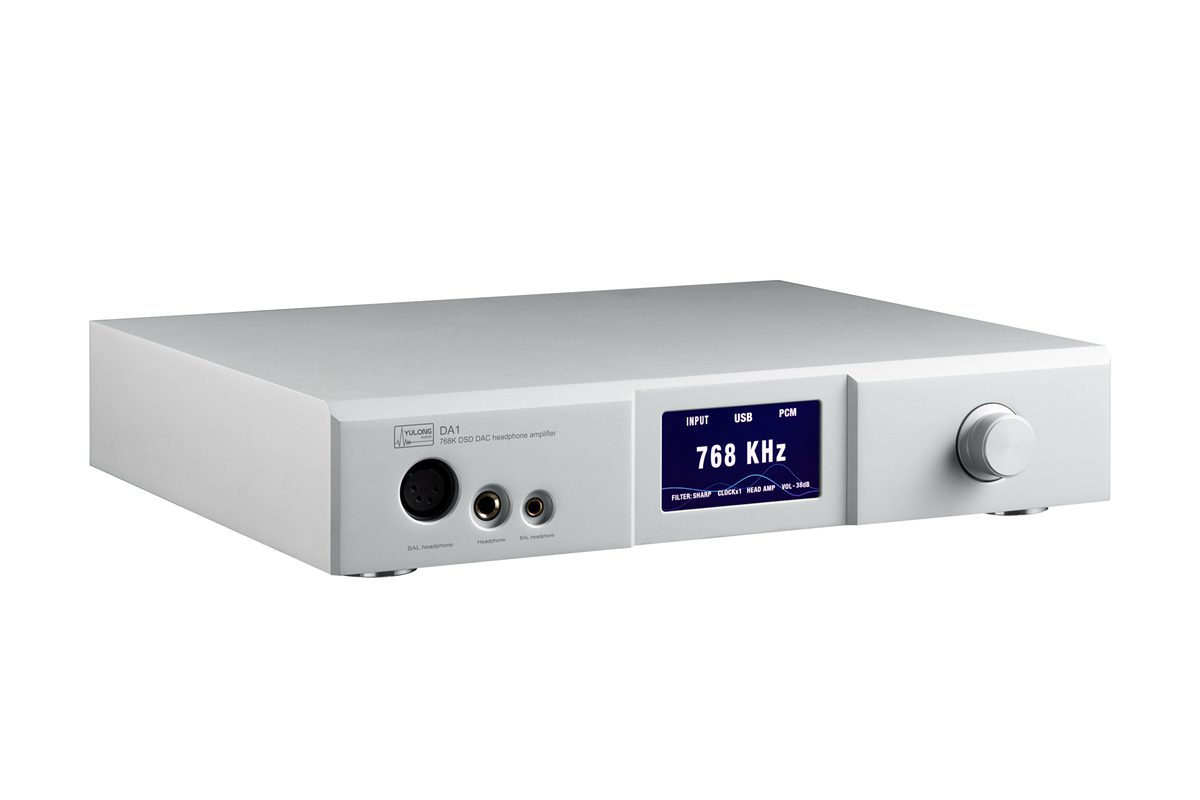
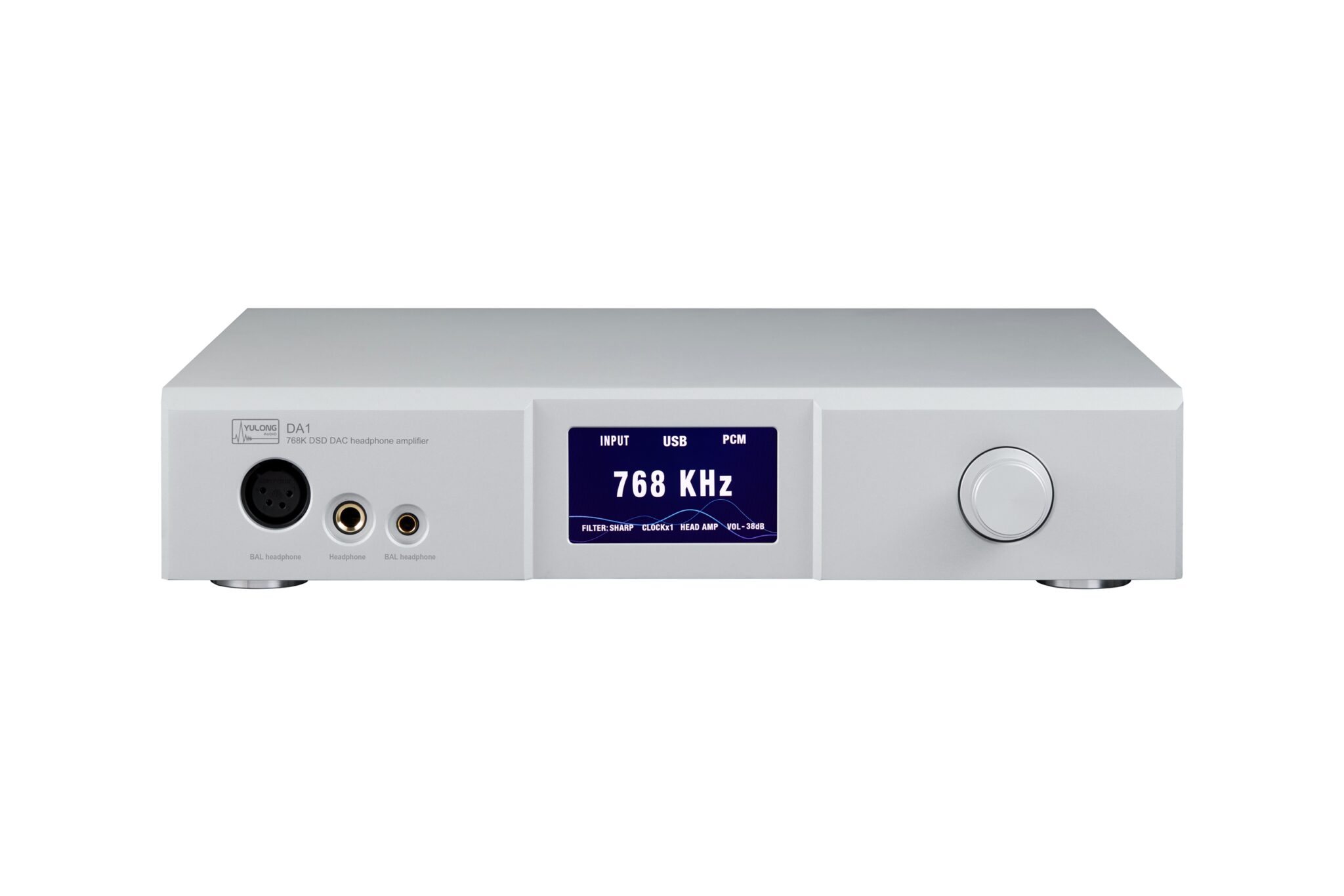
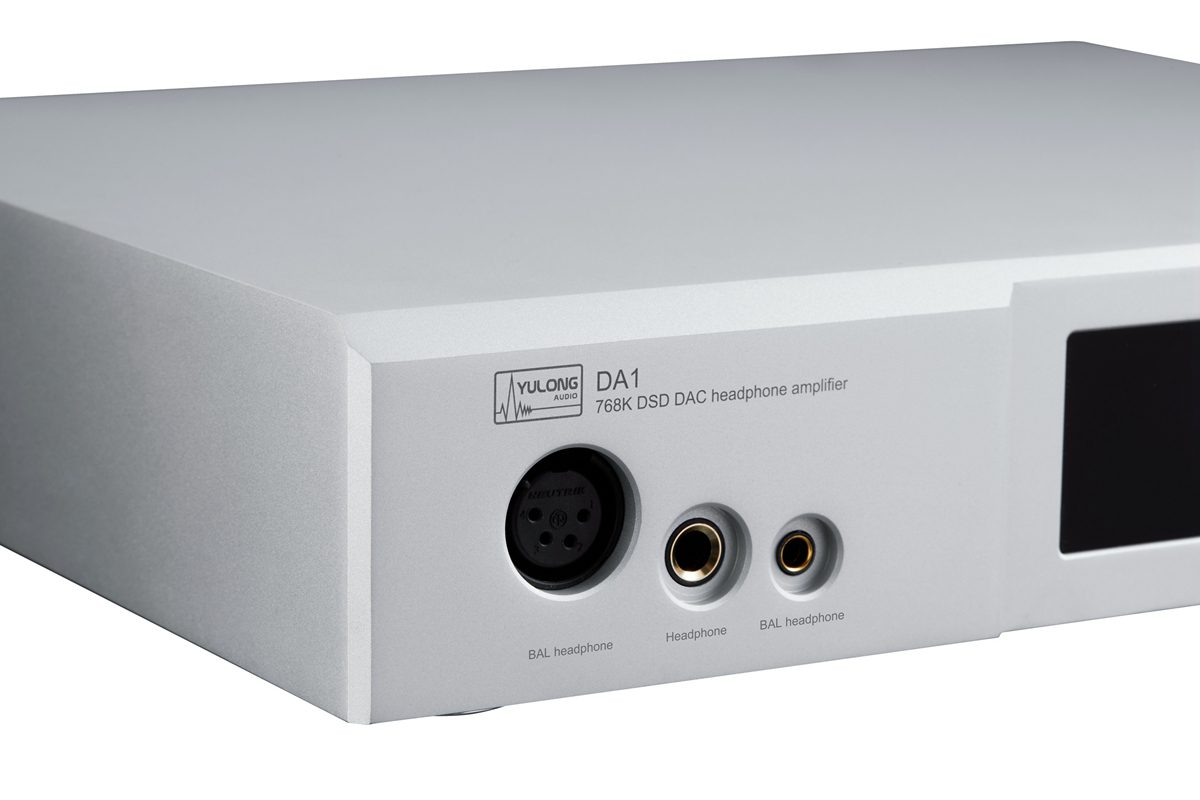
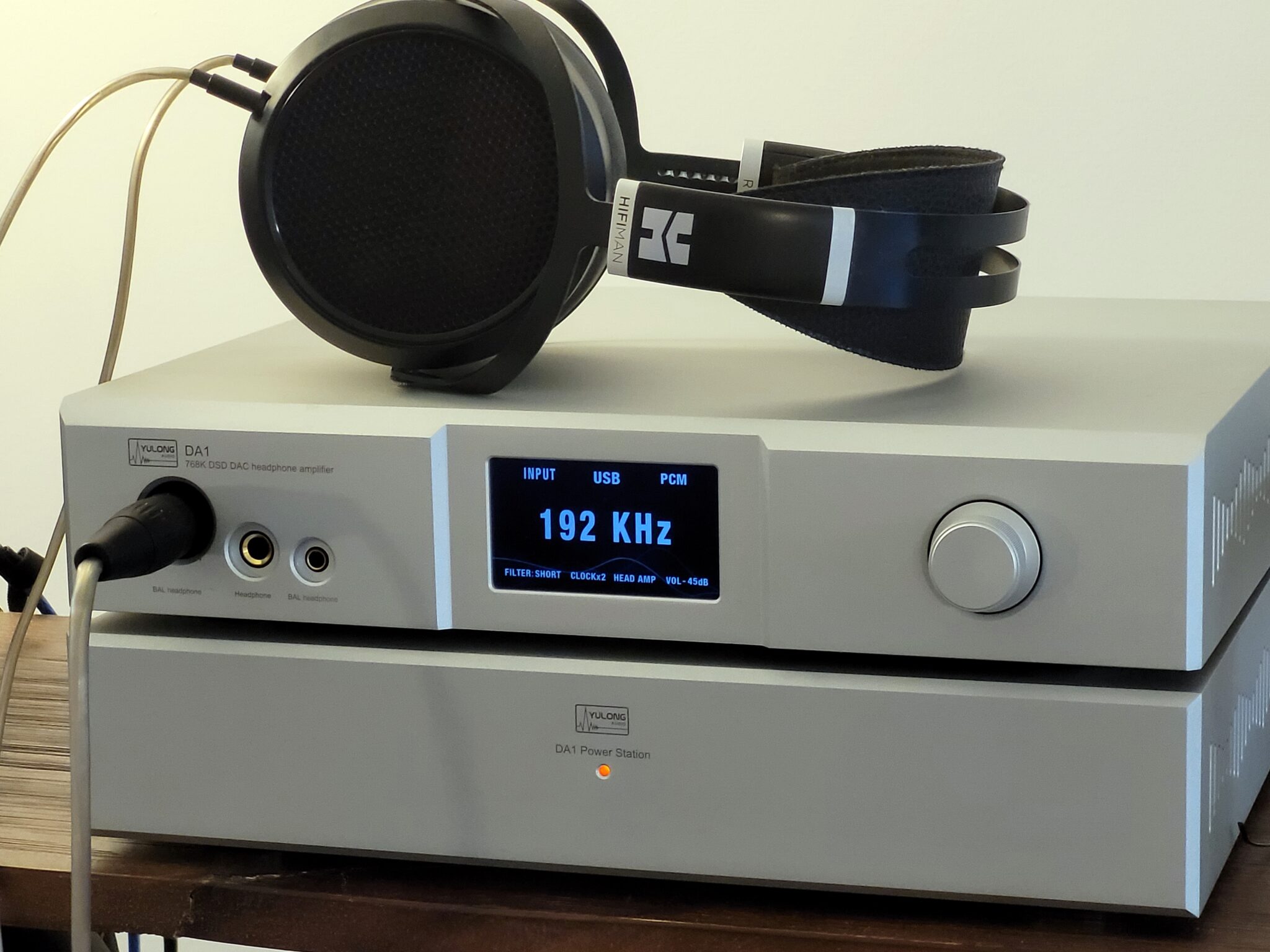
Build: Both units have matching CNC machined aluminum enclosures available in black, matte silver, or Yulong’s trademark brick red anodizing. These are hefty units with the head-unit weighing better than 4Kg and the power station closer to 10Kg. There is no flex to either case as all faces of the case are left several millimeters thick for additional strength. The front face on the main unit has a 4 pin XLR, a 6.35mm jack, and a 4.4mm jack at the far left, a display screen in a slight indention at center, and the volume knob at far right. The Power station has a single LED at the center of the front face that lets the user know the unit is on. The main unit’s rear face has, from left to right, the power cord input and on /off switch – fuse assembly, the link cable port for the power station input next, followed by the digital inputs, (USB, AES, optical, and coaxial), then the Analog outputs (XLR followed by RCA) and finally a pair of XLR analog inputs. That last one is a biggie as this is a 1st for Yulong. The Power station rear face has the power plug/fuse/switch assembly at far left and the power exit (link cable interface) at far right.
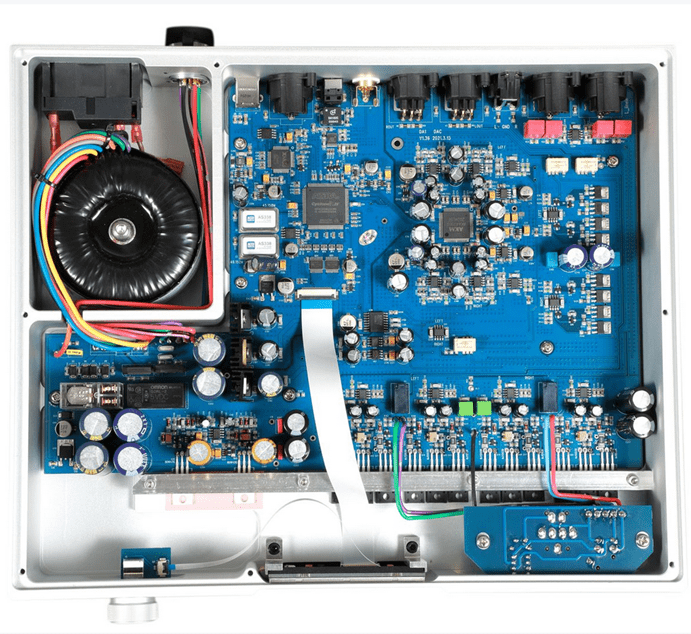
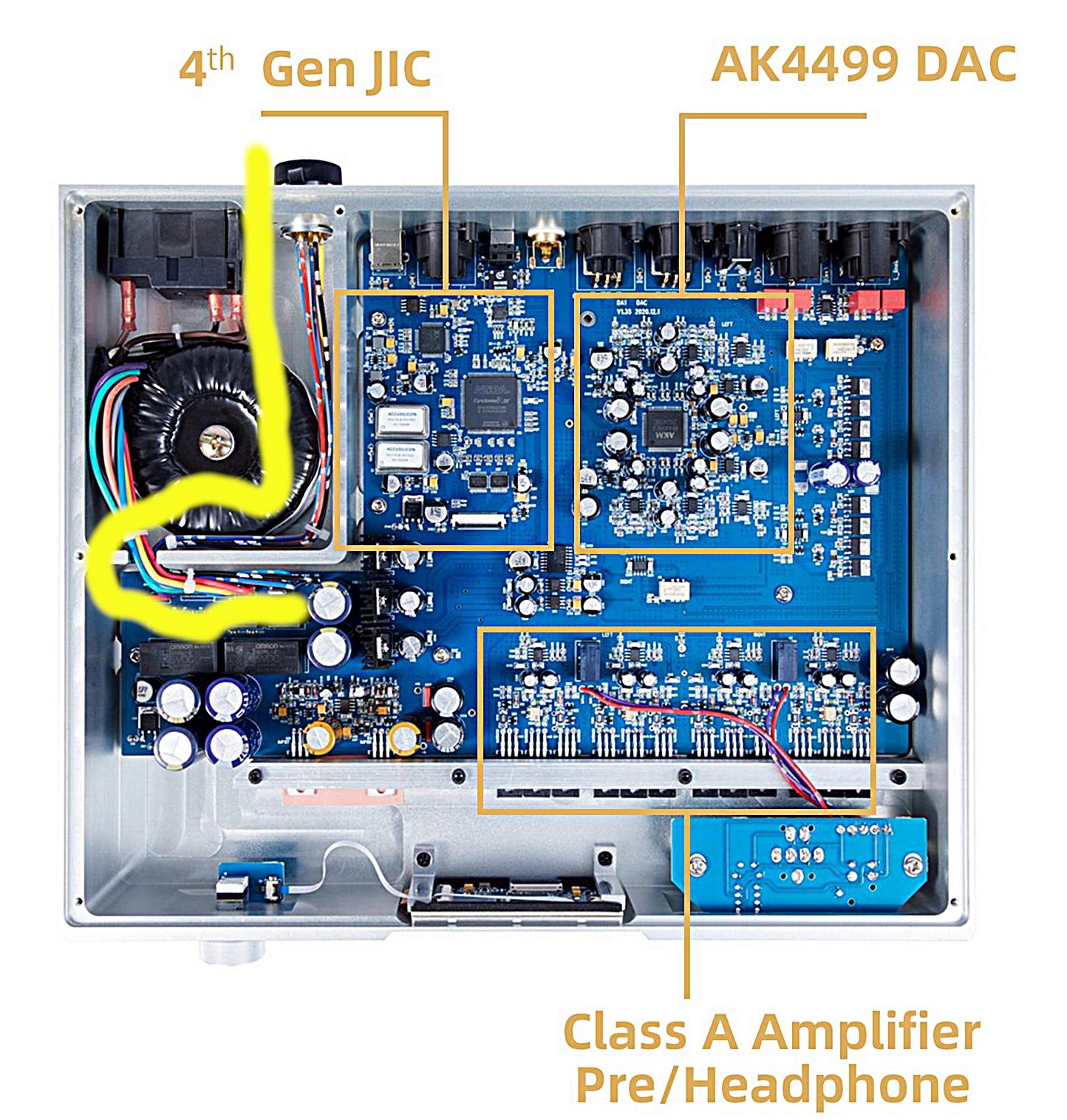
As one might imagine considering the DA1 can be used as a DAC, a pre-amp, a headphone amp, or as an all-in-one, there is a lot going on internally. Basically the functions were all designed separately and isolated so no function contributes noise to any other.
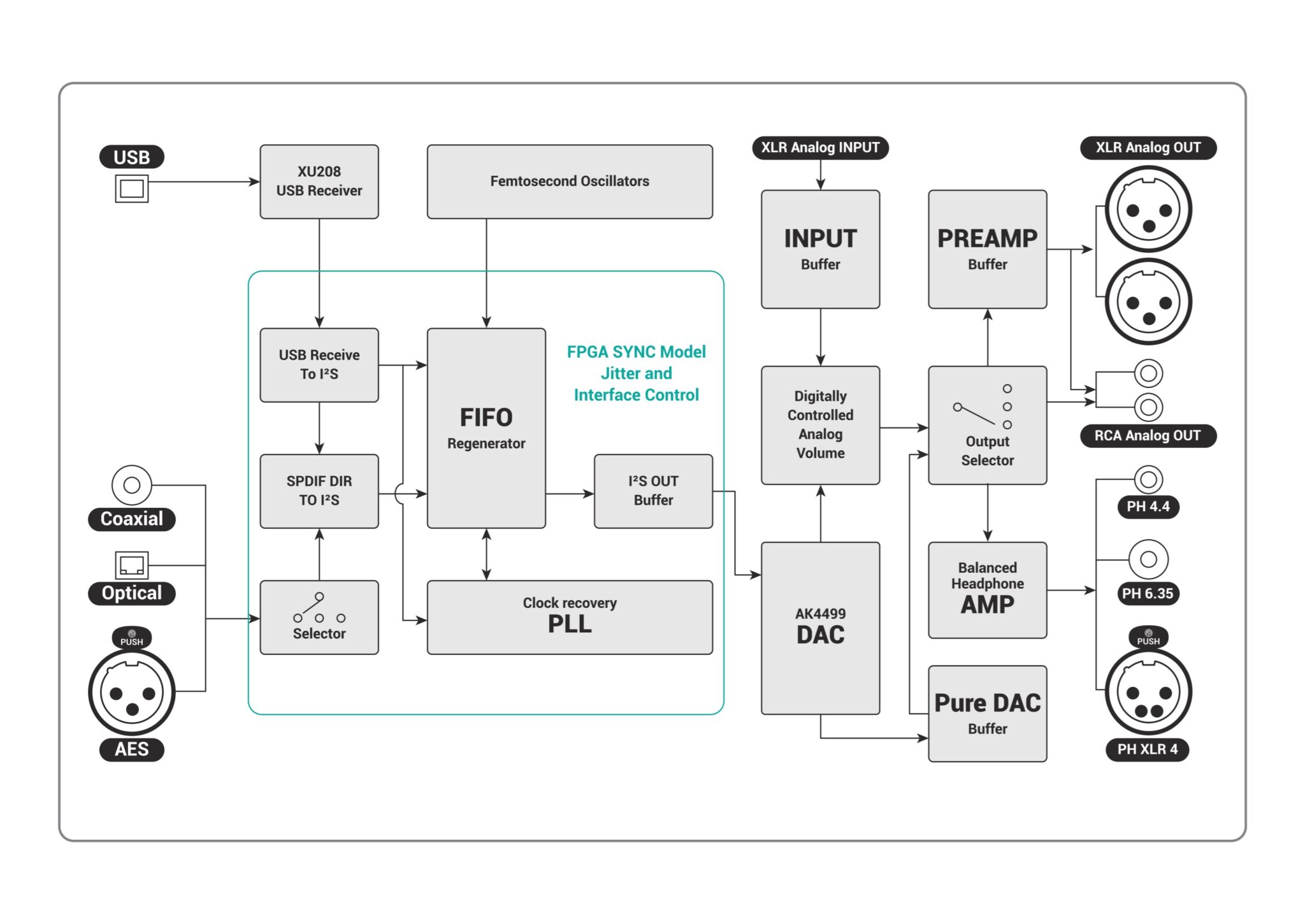
Starting with the inputs, USB is handled by a customized XMOS 208 series chip and supports up to 32/768 PCM and 512 Native DSD. That is pretty standard these days but where the DA1 differs is Yulong has gone the extra mile to make sure the USB input support, Windows, Linux, MacOS, IOS and Android devices and has designed in what Yulong calls the Mobile Audio Source Circuitry to allow bypass of the standard limits of mobile devices and still take advantage of the full capabilities of the DA1. It should be noted that this assumes the Android or IOS device is cabled to the USB input on the DA1 as it does not have Bluetooth or wireless support. That seems a bit odd in this day and age but with the noise often introduced by adding a wireless receiver/transmitter in a device the decision to omit it is certainly understandable.
The SPDIF inputs (optical, coaxial, AES) are a bit more limited but no the industry standard 24/192, but instead they support DoP64 and 128 and PCM up to 384 kHz.

Internals:
At this point a field programmable gate array takes over and hands jitter rejection and clocking (JIC in the literature). This system converts the input signal into a low-jitter bit-stream and then buffers it while syncing the signal using internal femtosecond oscillators to precisely align the signal. Once synced, the signal is locked by a phase loop lock. The FPGA outputs an I2S bit-stream to the DAC(s).
The DAC has two distinct modes of operation that need to be understood when setting up the DA1. Referred to as Clock1 and Clock2, these two settings define how the signal will be handled by the AK4499EQ dac. In Clock1 mode, the DA1 uses the JIC circuit mentioned above and the DAC chip in combination to provide a low over-sampling mode which Yulong defines as fuller, more analog sound. In Clock2 mode, the DA1 takes full advantage of the AK4499s internal abilities and in high over-sampling mode and provides a more resolving, detailed, and analytical sound. I’ll cover more on the differences in the sound discussion.
In addition to the Clocking choices, the DA1 also exposes the AK4499’s filters so the user has the option of sharp, slow, or short. Each offers a slightly different signature with sharp offering a flat response and being the best for general purpose use, short rolls off high frequencies and is recommended for quick energetic pieces like pop, and slow also rolls of high frequencies but is a bit more graceful about it and is best when looking to smooth the presentation of tracks a bit. I found slow most useful with poorly recorded tracks where the treble needed a bit of taming to reduce stridency and harshness but otherwise preferred the sharp filter.
From the DAC, the signal is either passed directly to a line-level output or to a full class-A amplifier rated at 5 Watts (32Ω load) and 540mW (300Ω load). This single amplifier functions as both the headphone amplifier and the pre-amp but has the ability to disable both the DAC line-out and the headphone-out when used in pure pre-amp mode to eliminate any noise that they might introduce. When used in variable gain mode the XLR outputs are capable of a maximum of 12V output and the RCA outputs are limited to 6V so powered monitors can be run directly from the DA1 or it can be used to feed monoblocks in a 2-channel system without need for an external pre-amp. The one disappointment to me is the lack of an RCA input so if used as a pre-amp you’ll need to convert phono outputs to XLR before connecting to the DA1.
Again we see the same level of commitment to low noise output with 12 separate power transistors used in the amp circuit for ultra-clean output. Volume control is handled in the analog domain again reducing noise but precision is maintained by using a digitally controlled 99 step volume management sub-system. Changes in volume are instantly relayed to the user via the LCD on front.
This gives the end-user a lot of flexibility as it can be used as a pure DAC to feed an external amplifier which I tested by using the DA1 output to my Pass HPA-1, a pure headphone amp, which I tested using the RME ADI-2 Pro FS R BE as the DAC feeding the XLR inputs on the DA1, as a pre-amp which I again tested using the above combination with the XLR outputs feeding my Levinson 23 power amp, and finally as a stand-alone do it all unit which I tested using the USB input from either my laptop or DAP and a number of headphones included HD800, He6, Beyer T1 &T5, and LCD-4. I added a couple of low impedance in-ears as well to see how the unit fared with easier to drive models. These included the UE Live, Fir 5×5, EE Wraith, and Re2000s.


Functionality:
The notes below are my observations from each of these tests and thoughts on the use of the external power supply in each case vs using the DA-1 without.
As a DAC:
My normal listening setup combines the RME ADI-2 Pro FS R BE as the DAC feeding a Pass HPA-1 amplifier and either an LCD-4 or HD800 headphone. This is a combination I know extremely well and one that I find performs admirably when compared to much more costly options. To my thinking, it isn’t perfect, but it is about as close as I can come on my budget. The HPA-1 is not balanced so I plugged the RCA outputs on the DA1 into input 2 and was able to switch between the RME as input 1 and the DA1 for testing. The first thing that I noticed was that I had to look at the HPA-1 to know which device I was listening to and to really make an effort to find the differences. With both DACs using AKM chips it probably shouldn’t come as a surprise that signatures and detail levels are quite similar. After listening to both for a period of hours I came away with the following observations.
- The DA1 is a touch warm in the mids compared to the flatter tuning of the RME
- The DA1 is equally detailed or a hair better than the RME
- The Dynamics are similar but slightly favor the RME.
Adding the power station to the mix flipped #3 above with the DA1 now having an edge in overall dynamics compared to the RME but the other two observations remained true. The DA1 with power station runs very close price wise to the RME (remember mine is the big brother to the more popular model and retails at $2195) and performance is very much on par with the big RME when both are used as a DAC.

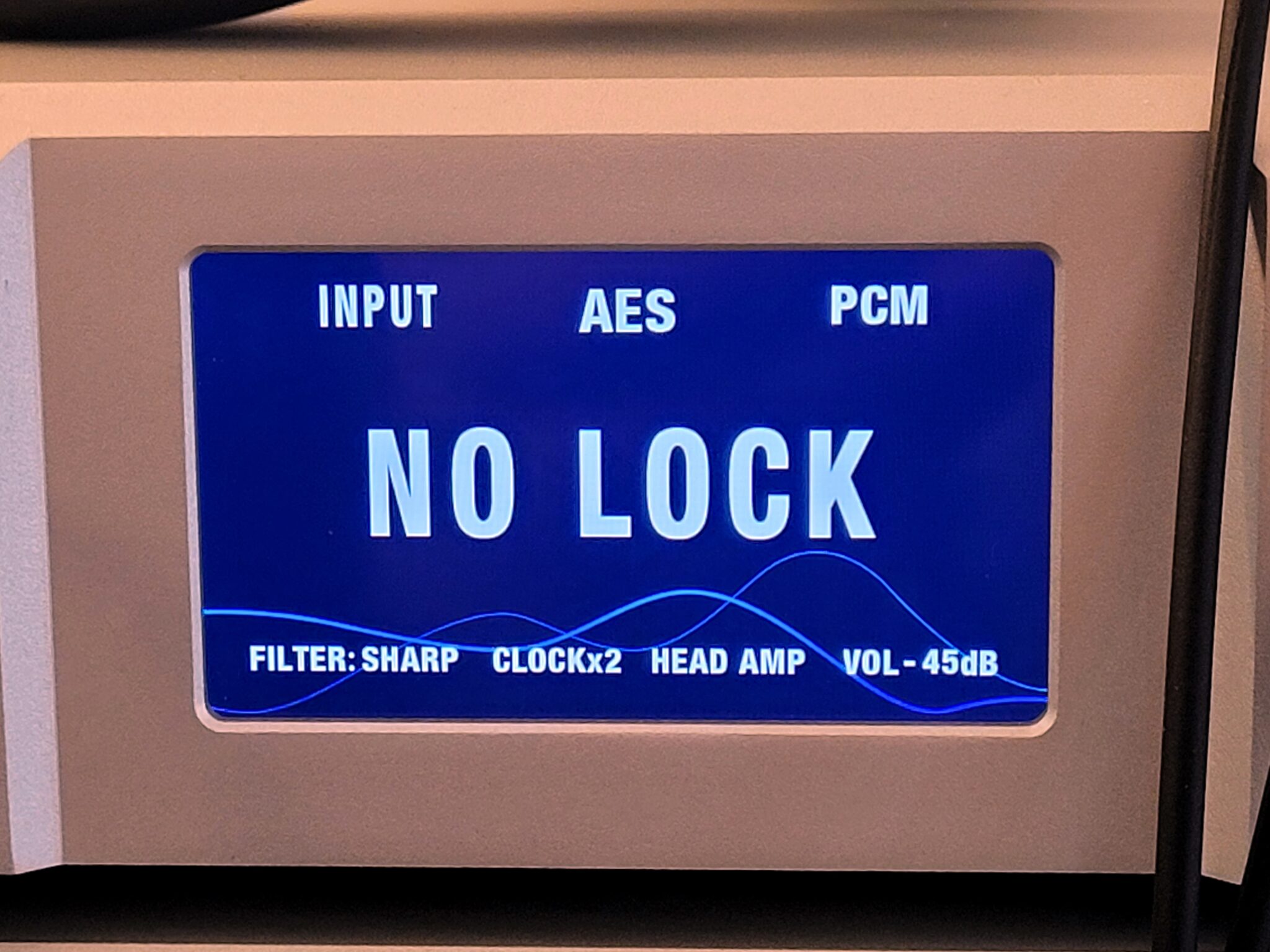
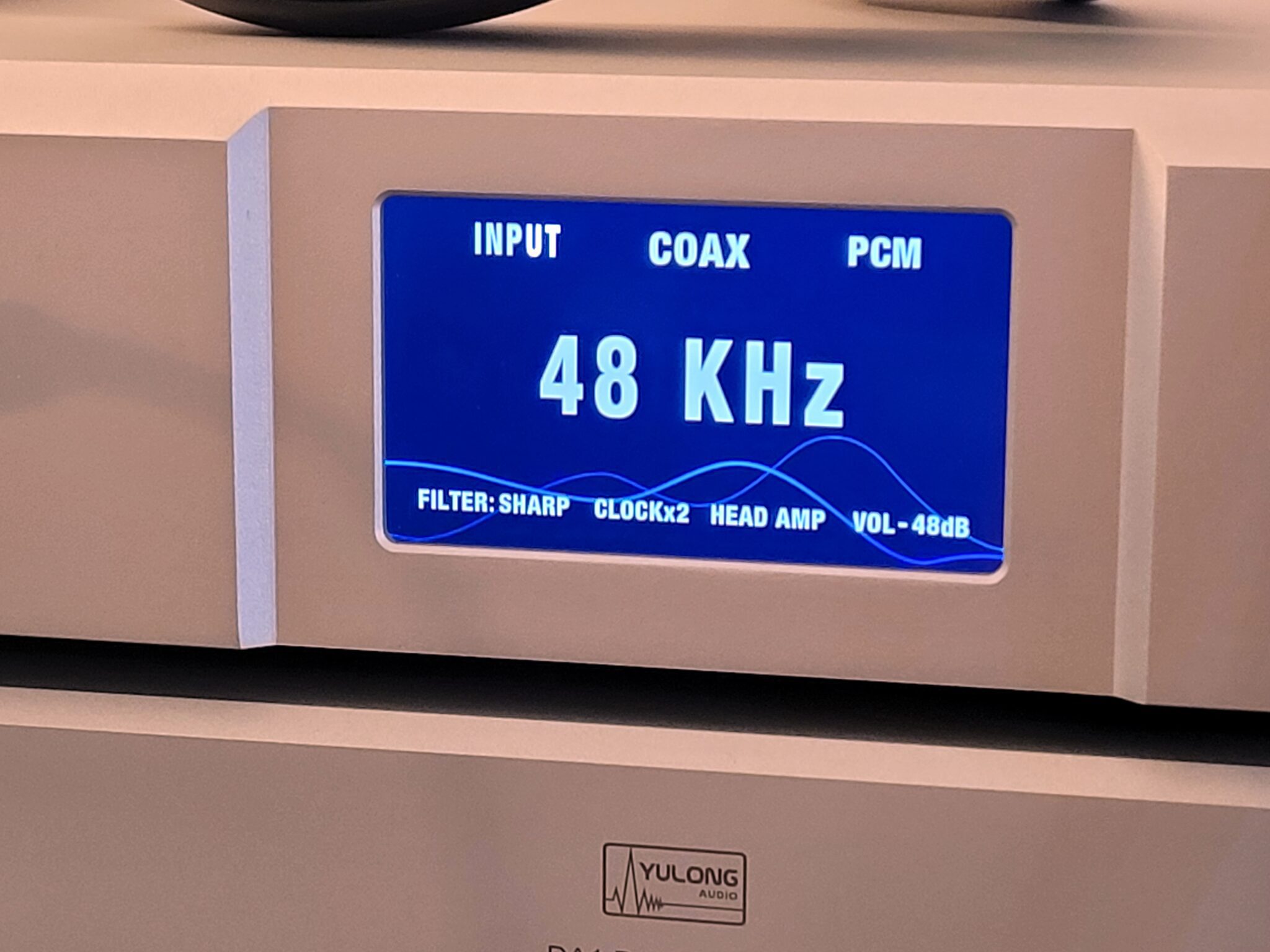
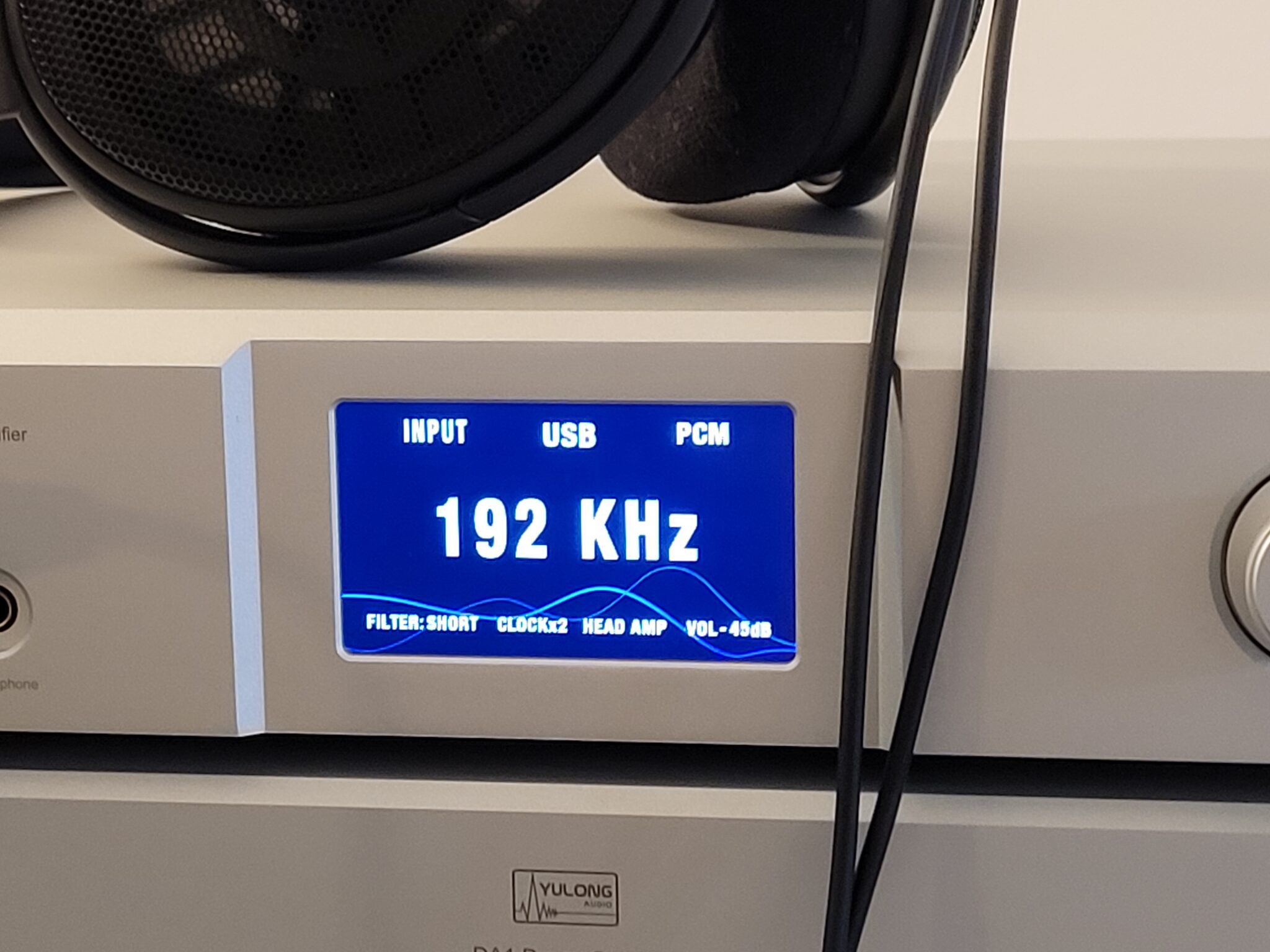
Based on those findings, I decided to go to the All-in-one functionality next and pit the RME directly against the DA1. Understand that these two devices while similar in some regards differ vastly in others. The RME brings ADC functions for those wishing to record and an advanced sound sculpting ability with its filters and internal EQ while the DA1 is a pure listening device with no ADC capability. The other big difference and maybe the more immediately noteworthy for those who aren’t running a recording studio is the remote. Almost everything about the RME can be handled remotely while the DA1 has to be controlled at the device.
Inputs and outputs are similar on both with the RME offering USB, Coaxial, optical, analog (XLR) and a 9-pin AES-3 input. The DA1 offers the same but uses an XLR style connector for AES. Outputs are also similar with both offering XLR and RCA outputs on the rear face and balanced and single ended headphone outputs on the face. I do prefer the XLR port on the DA1 to the RME 6.35mm jacks but functionally the two are equals.
Sound wise the two devices again battle on a nearly even footing as far as detail and dynamics (this again flips with the power station added) with the slight warmth to the mids and a more melodic tone to the DA1 and a more analytical, precise, and at times a touch cold sound of the RME contrasting what can be done with the same chip under the hood (I know the RME uses 4493 vs the DA1 4499 but the two are more similar than not). The Amplifier in the DA1 is a bit more potent which shows when using things like the He6 with its mammoth power demands but is less evident with other devices as the 3 Watt output (32Ω load) of the RME is more than enough for the HD800 and T1.
In the end, the DA1 offers a touch warmer more melodic signature with equal detail levels and when combined with the power station a bit better dynamics than the RME delivers. That’s saying a lot in my book as I have long held the RME as possibly the best single device in the price range. While the RME still wins points for ADC, EQ, and remote, the DA1 makes a strong case for being the better of the two for pure listening pleasure.
As a pure headphone amp:
So after pitting the RME and DA1 against each other, I decided to see what they could do as a team. I used the DAC of the RME feeding the amplifier of the DA1 and again used the same headphones to test out the pair. The head-amp section of the DA1 is indeed extremely potent and drives the He6 effortlessly and without any coloration. What I heard come through the amplifier was very similar in overall quality to what I hear using the RME/PASS pairing which again speaks very well indeed for the DA1. I do think that in order to approach the overall dynamics of the HPA-1 the power-station has to be in play for the DA1 but the fact that an all-in-one that costs less than the HPA-1 (a dedicated amp) can play in the same league is a big deal. The HPA-1 is slightly more potent and more dynamic than the DA1’s internal amplifier and to my ear has a bit lower noise floor when paired with high sensitivity in-ears, but those differences are small enough that paying better than double the price for the HPA-1 alone won’t make sense for a lot of listeners.
As a pre-amp:
This is where I expected the DA1 to fall back a step. My home setup uses a Bel Canto DAC, Bryston pre-amp, Levinson 23 power amp, and Magnepan speakers. So here again when I dropped the DA1 into the system it was replacing two components (Bel Canto/Bryston) either of which cost more than the DA1. This was asking a lot for certain and I felt sure I’d be able to say “well it was close, but the DA1 was a bit out of its depth”.
In one regard I can easily say that as the DA1 lacks the input options of the Bryston and for those looking for a 2 Channel pre-amp with multiple sources feeding it, the Bryston remains the better choice unless you just enjoy cable swapping. The fact that the only input on the DA1 is an XLR means adding a turntable (which is probably the most common non-digital input today) is complicated as most use RCA outputs. Granted an RCA to XLR cable is easy enough to source, but why not offer an RCA input?
Once we get past the single input option though, the DA1 performed admirably and had no issues pushing the big Levinson and volume control offered enough usable range to listen at any realistic and some very unrealistic volumes (according to SWMBO). Again the DAC function of the DA1 was very good and very similar in tonality to the Burr-brown in the Bel Canto that I find has a very slight mid-range hump as well.
I came away really impressed with the range of function the DA1 offers and my only big lamentation is the lack of a remote which would help it find a home in more 2 channel systems.
Looking in a bit more detail at each headphone used with the DA1 as a stand-alone should help those looking for specific pairings so those notes follow.
Sennheiser HD800
- Plenty of power for these with more than enough headroom
- Stage shines as expected and dynamics are quite good
- Slow filter helps tame the top end just slightly.
- Favorite track to show off capabilities of DA1 on HD800 – Cowboy Junkies – So Lonesome I could cry.
Hifiman He6
- Despite the reputation for being a massive power draw, the DA1 had no trouble with these and dynamics were quite good and repeated bass hits showed no signs of weakening.
- Best with sharp filter where the big planar’s speed is on full display and detail is fantastic.
- Favorite track to show off capabilities of DA1 on He6 – Yngwie Malmsteen with the Japanese philharmonic – Icarus’ Dream Suite Op. 4
Beyerdynamic T1 (1st gen)
- The tonality of the DA1 mixes well with the T1 as it highlights the mids and helps balance a weak point on the T1.
- Best with sharp filter as I don’t find the high end roll-off beneficial to detail rendering on the T1.
- More than enough power despite the high impedance (600Ω)
- Favorite track to show off capabilities of DA1 on T1 – Mussorgsky’s Great Gate of Kiev.
UE Live
- Has enough usable volume range but is limited as anything past about 10:00 is getting too loud for safety.
- Live already has a low/mid bump so may be a bit warm for some listeners.
- Best with sharp filter as upper roll-off not needed and allows detail to shine
- Favorite track to show off capabilities of DA1 on UE Live – Yngwie Malmsteen with the Japanese philharmonic – Icarus’ Dream Suite Op. 4
EE Wraith
- Some hiss detectable as the DA1 really isn’t designed for super-sensitive IEMs.
- Limited usable volume range.
- Best with short filter as the energy level is a bit high
- Favorite track to show off capabilities of DA1 on EE Wraith – Miles Davis So What.
Conclusion:
We often use terms like “does a lot right” and “jack of all trades” and while both apply here, they both fall short of telling the whole story. The Yulong DA1 does an awful lot better than one has any right to expect at the price point and consistently gave my higher priced gear a run for its money when A/B tested. During my testing it was a capable substitute for an RME AD-2 Pro, A Bel Canto 2.6 DAC, A Bryston BP-26 pre-amp, and a Pass HPA-1 headphone amp. No it didn’t perfectly replace all 4 but name one other device that can come close to replacing all four and still cost less than any one of the four and you begin to see the Yulong’s charm. I do think you need the power station to reach its full potential but for those on a budget it can be purchased later to help ease the pain a bit. Ultimately the DA1 is extremely capable and Yulong’s ad-copy that refers to it as a masterwork isn’t too far off the mark.