
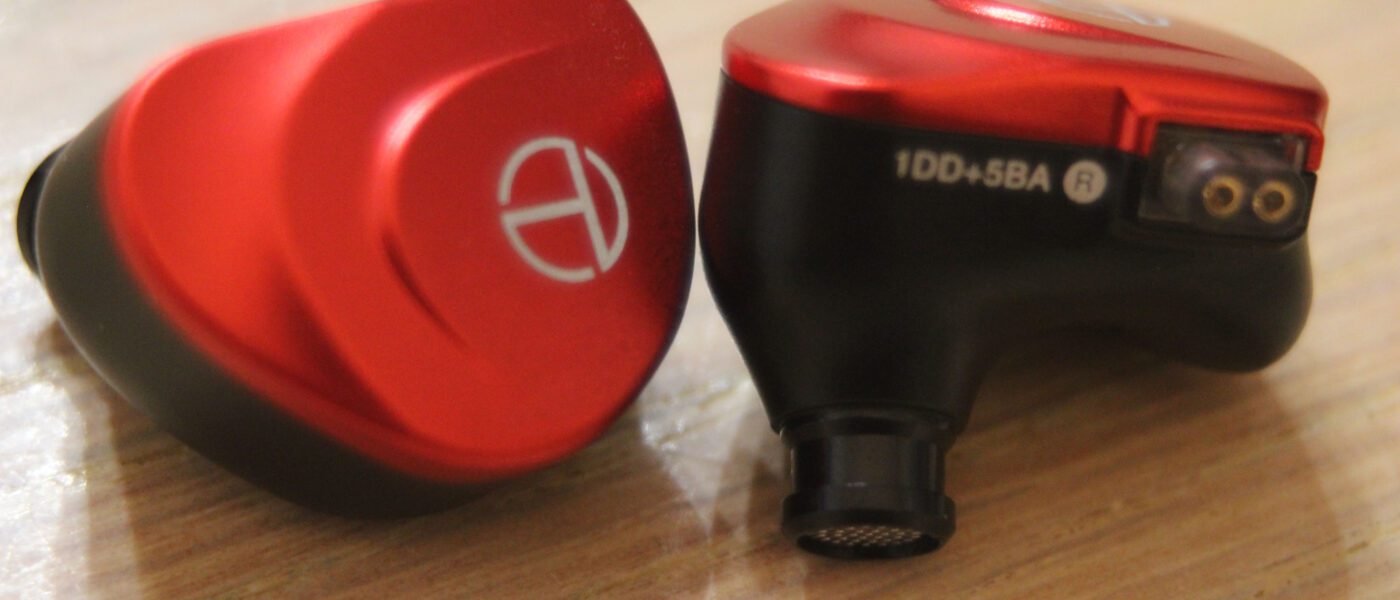
TRN V90s
disclaimer: The TRN v90s was provided for review by the Yaoyaotiger HIFI Audio Store on AliExpress. I have not received any remuneration beyond the sample itself, nor have I received any instruction regarding this review. I have no financial interest in either TRN or Yaoyaotiger. If you have an interest in TRN, please visit their facebook or to purchase TRN products, please visit the Yaotaotiger store.
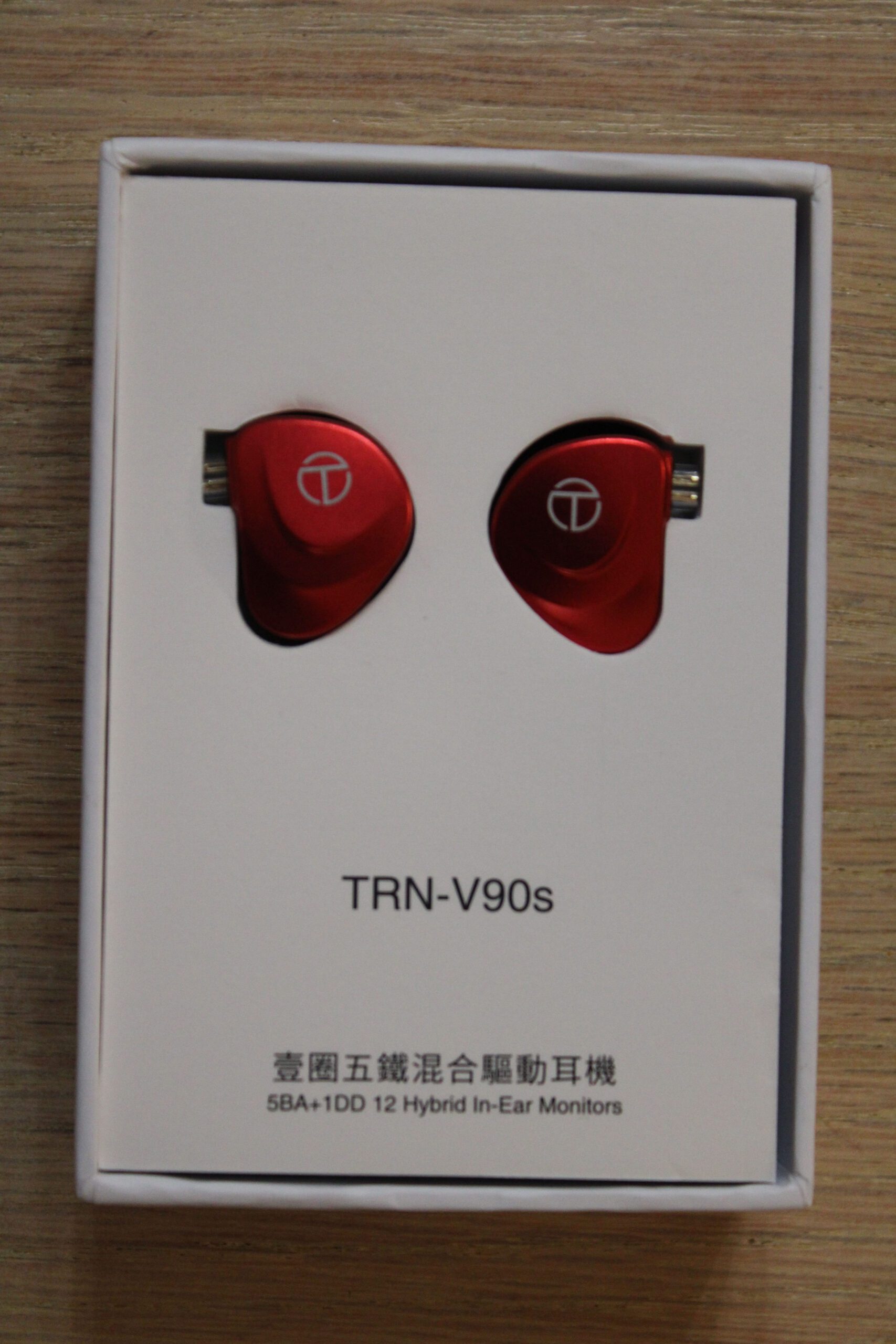
Unboxing / Packaging:
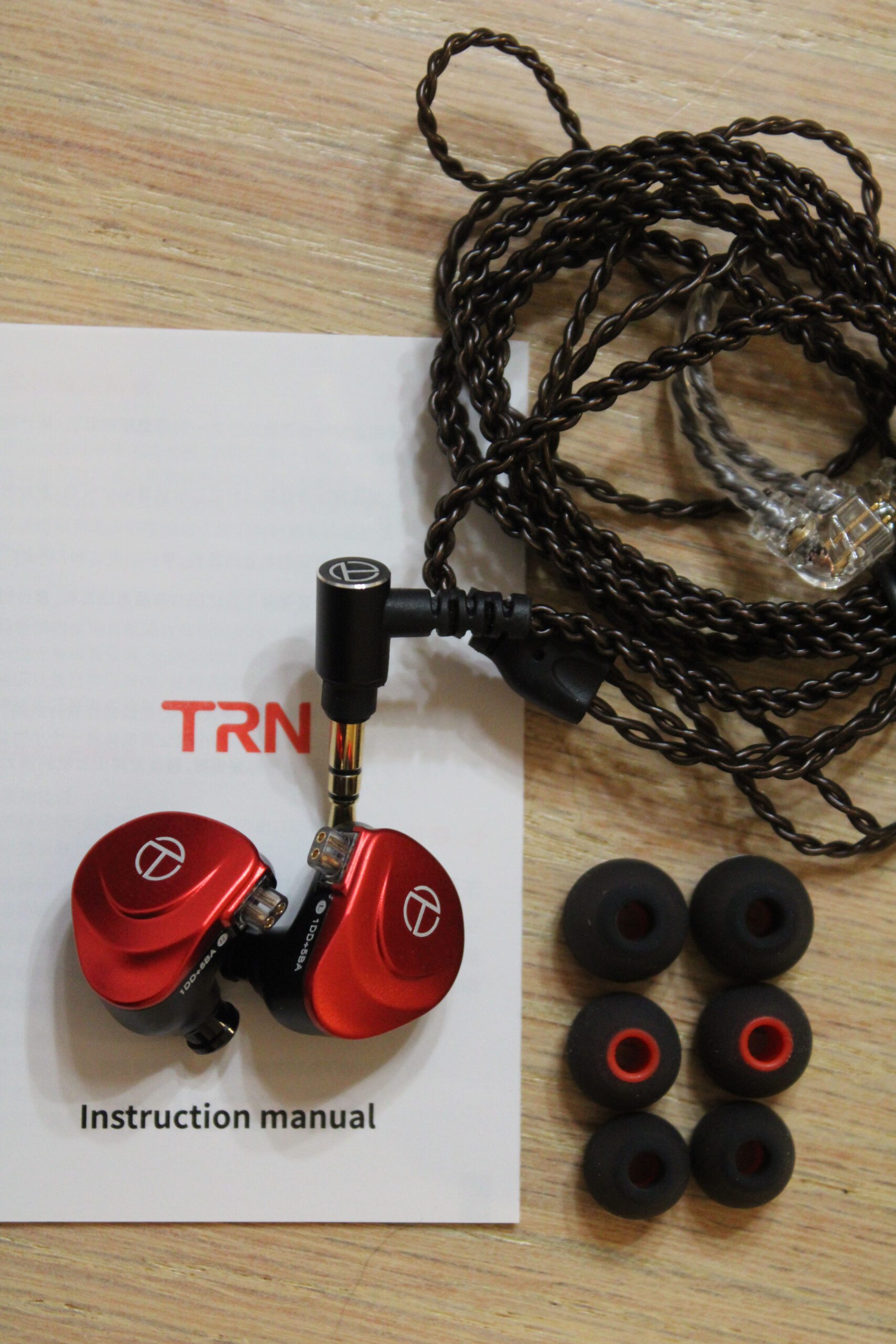
Packaging on the v90s is fairly standard with the line drawing of the earpiece on the front of the slip-cover and specs on the reverse. Removing the cover reveals the earpieces in a foam tray with a clear plastic top protecting them from above. Hiding under the foam tray are the additional tips, cable, and manual. Three sets of silicone tips in small, medium, and large are provided but no foams are in the kit, nor is there a carrying case or cable tie provided. This is a budget offering but still at nearly $50 many others are now shipping with those additions.


Build/Fit:
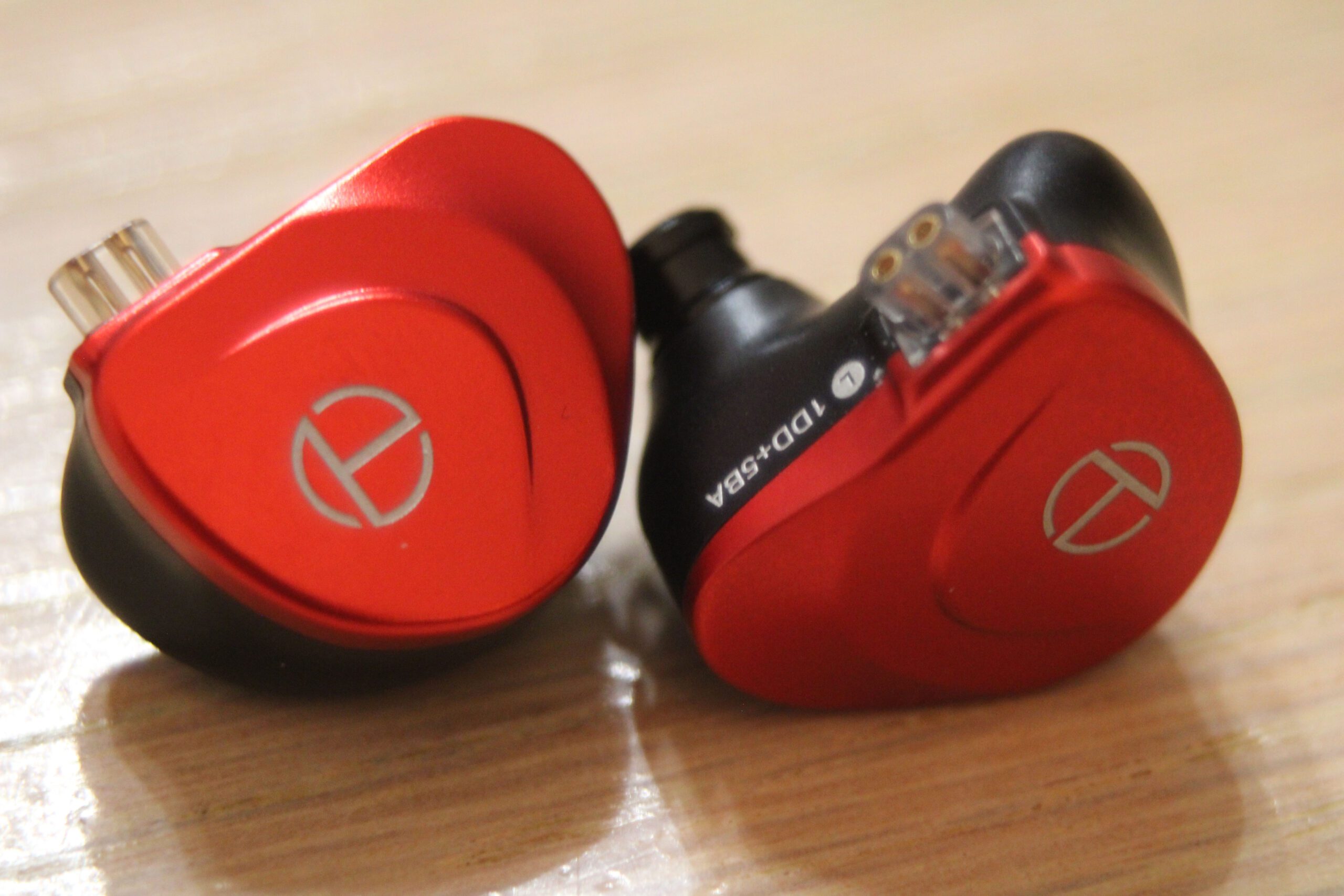
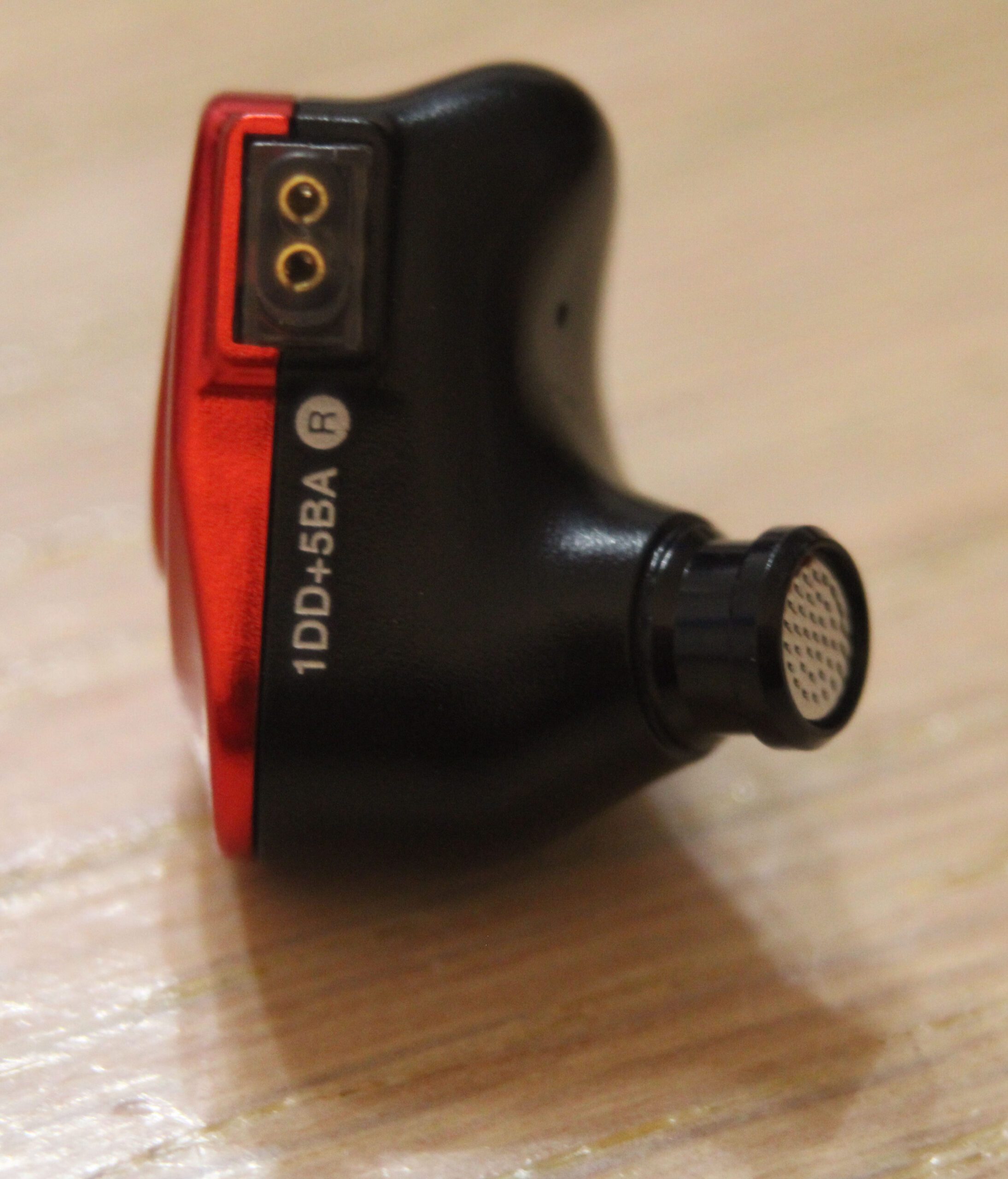
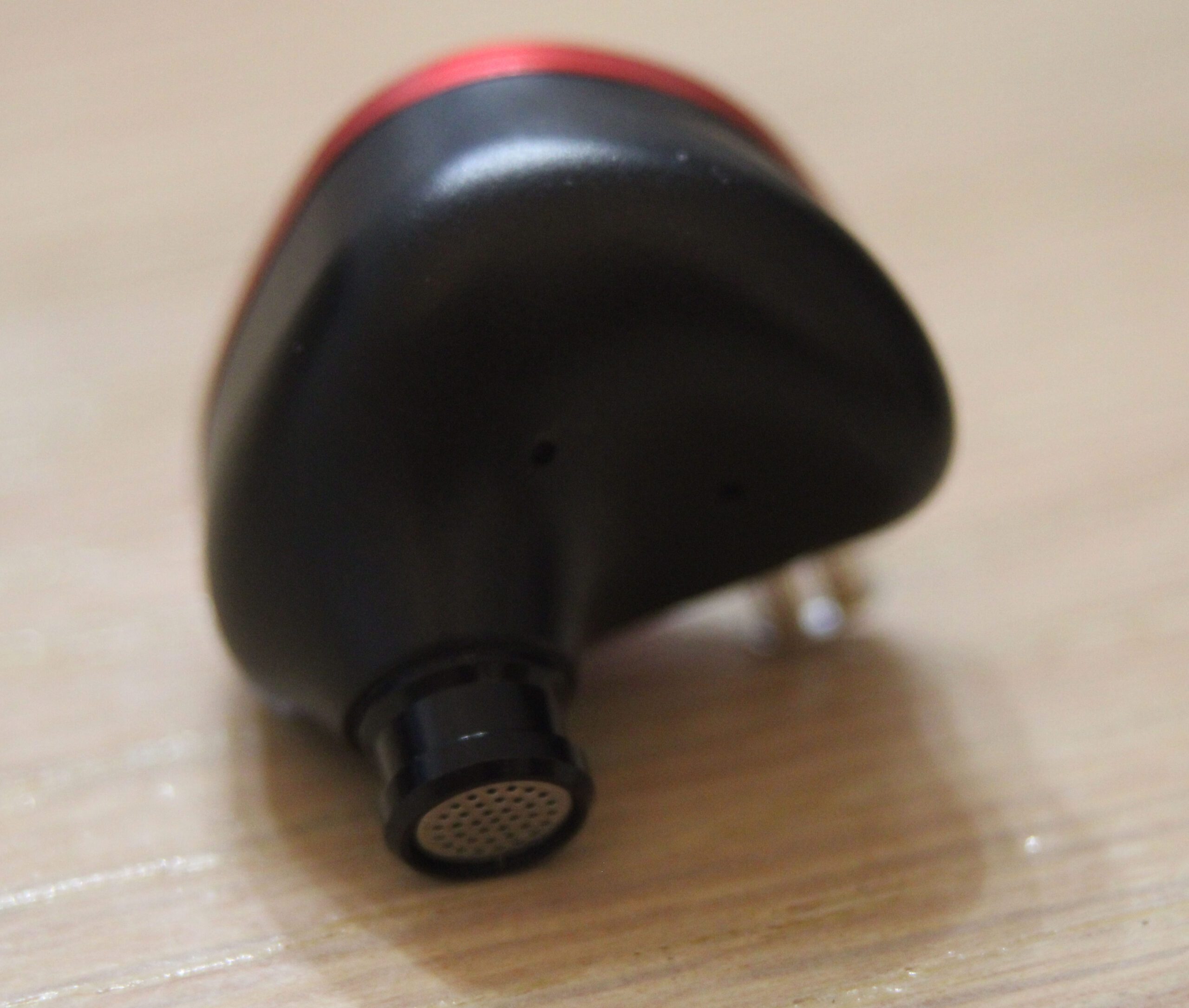
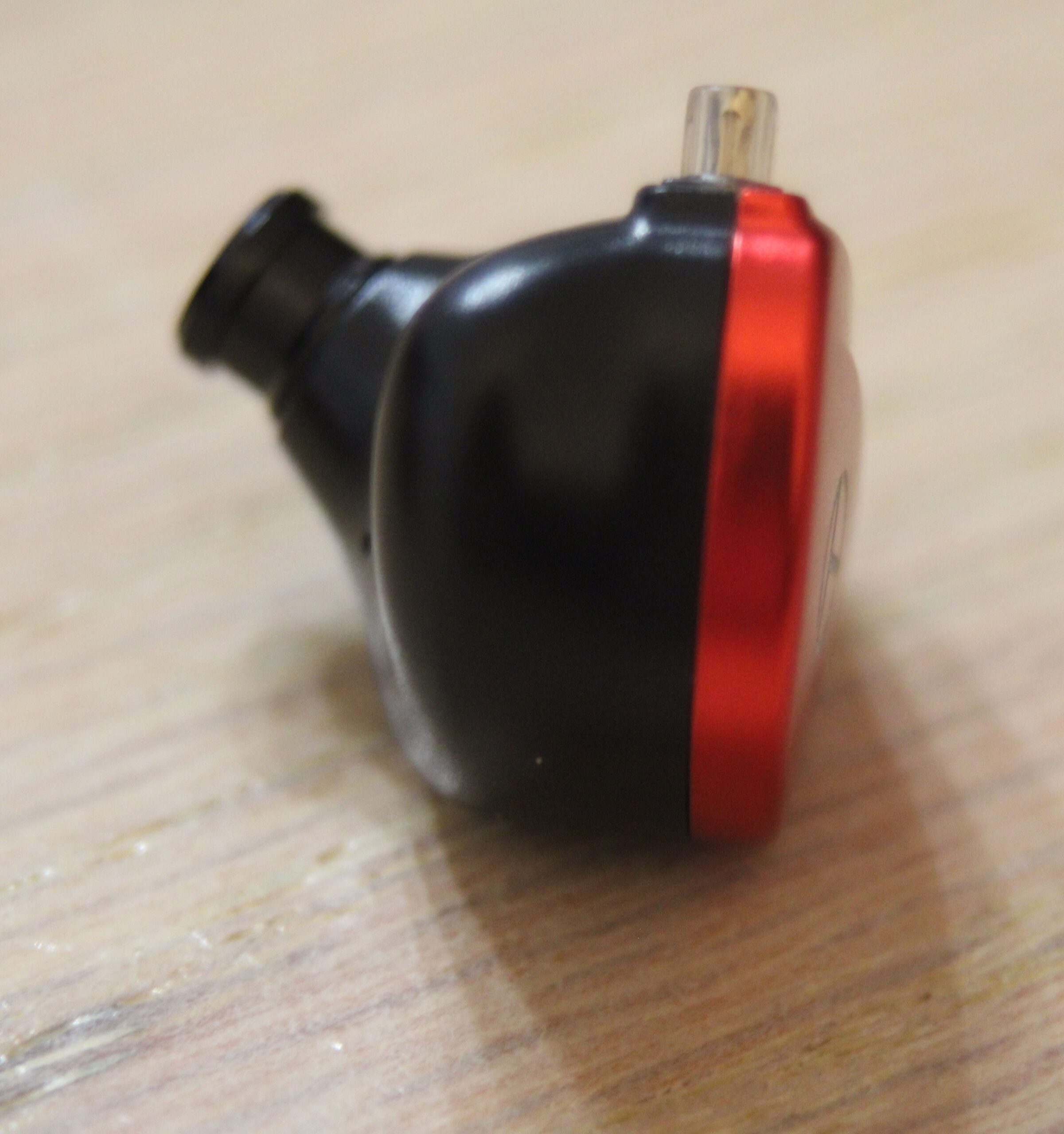
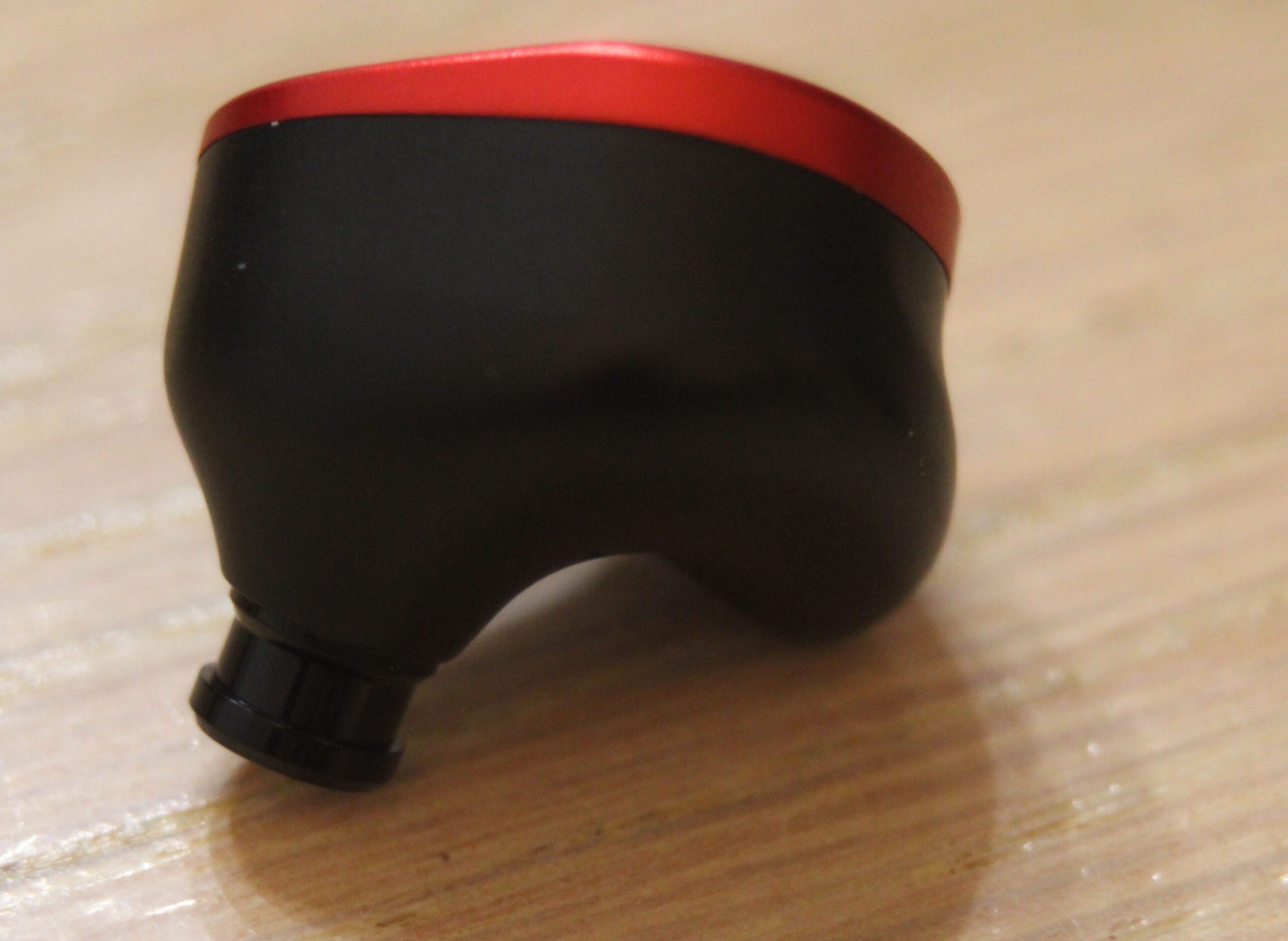
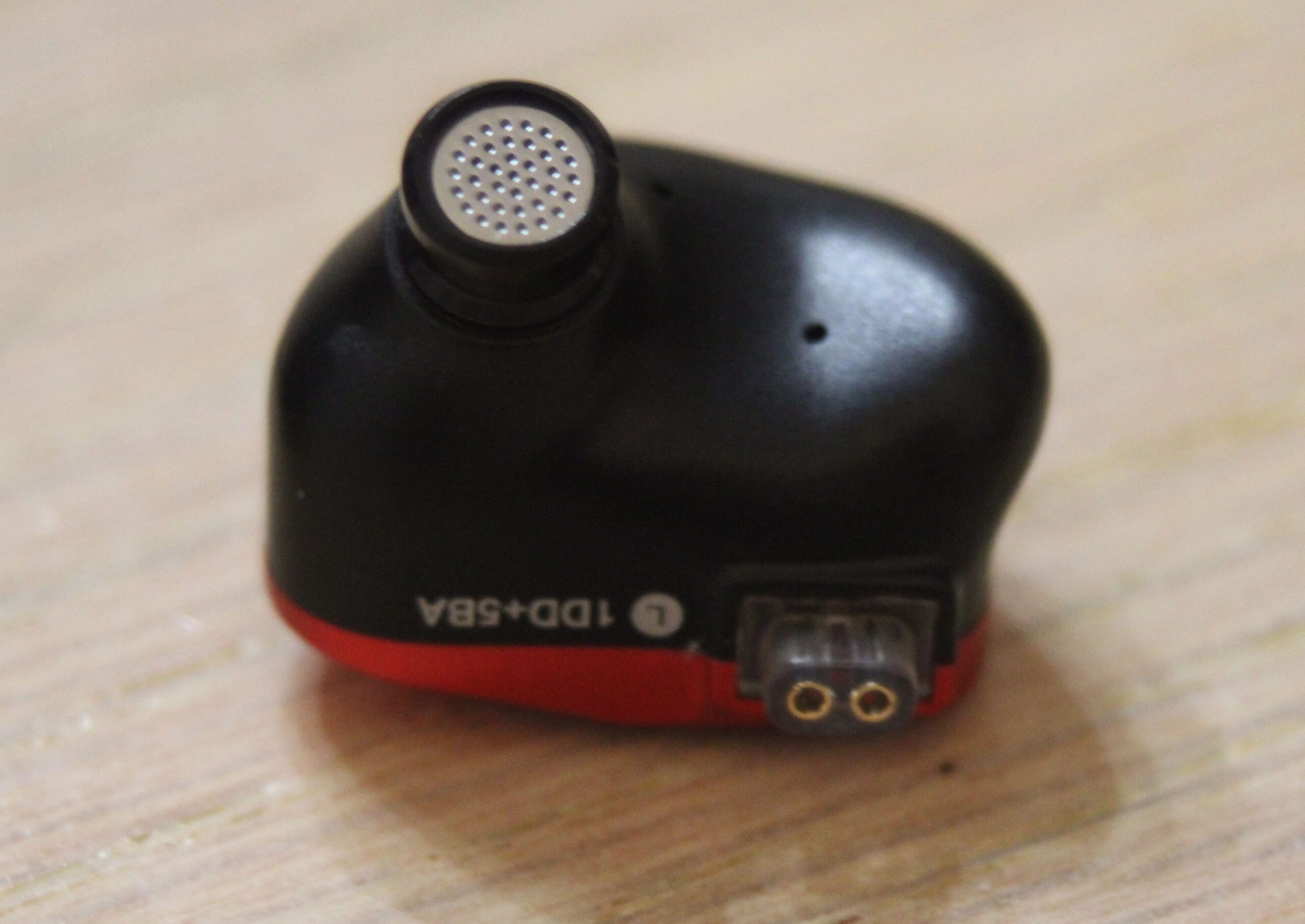
Shells are solid aluminum/magnesium alloy in either solid black or black with a red face like the pair being reviewed here. Outer shells have a dished shape with the TRN logo emblazoned in white at top center. Fit between parts is good with no gaps or glue but on my sample the red face has a very slight raised edge so is easy to feel with a fingernail. This does not translate into something felt when in use though so is more a comment than a criticism. The shell is more or less semi circular with the nozzles coming off the inside bottom of the circle and the bi-pin connector (QDC style) coming off the top of the flat side. The inner shell is shaped nicely for comfortable fit in ear and size is small-mid which makes for a comfortable fit with little physical fatigue. Nozzles are short with a forward rake and a lip for tip retention which also lends to comfort but limits isolation as the body sits mostly behind the ear canal and does little to block external noise.


Internals:
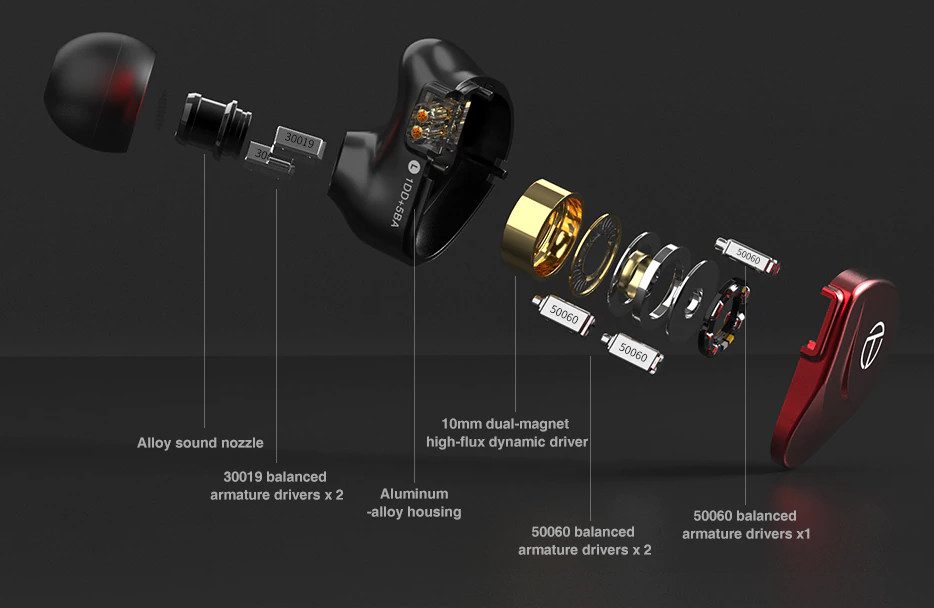
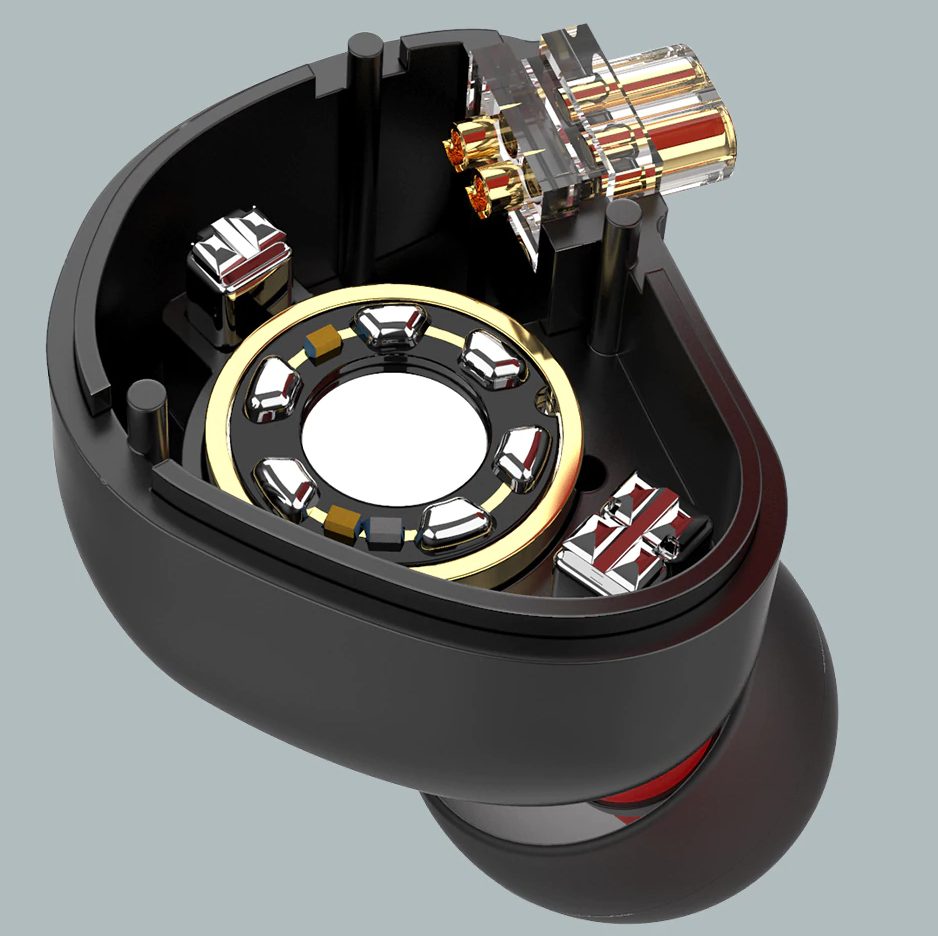
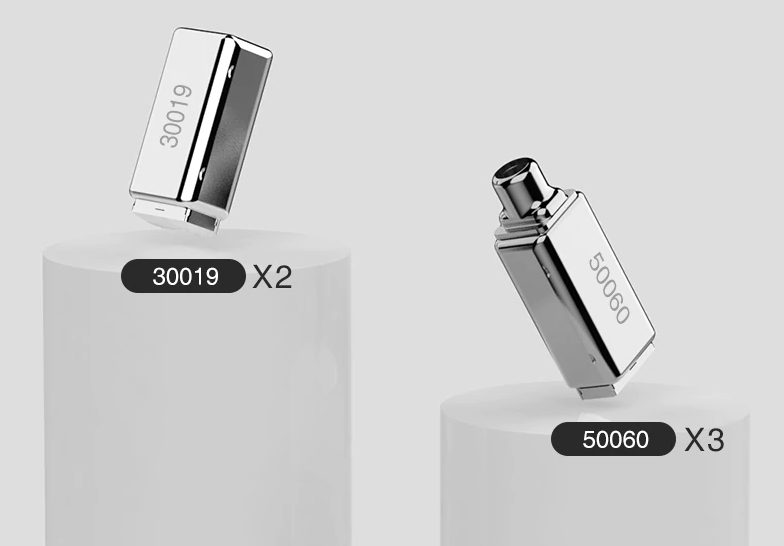
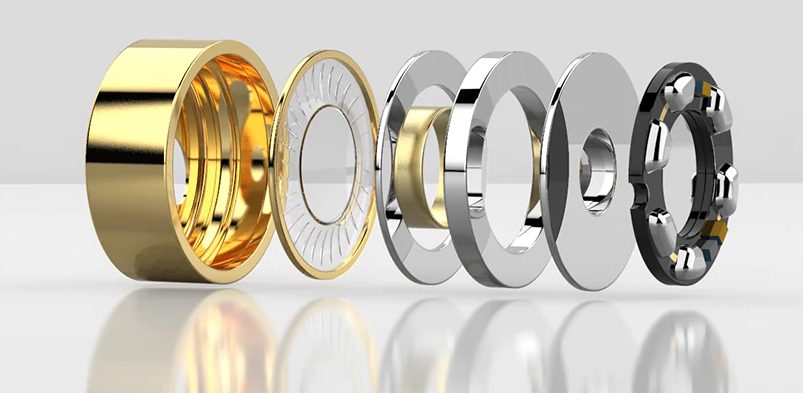
The V90s being a direct successor to the v90, we’d expect more than a little similarity here and indeed we find the two are similar with both sporting a 10mm dual magnet dynamic driver and 30019 and 50060 balanced armatures. The original v90 had 2 of each of the armatures while the v90s has dual 30019s in the nozzle and 3 50060 mid-drivers in the body of the unit. Both the original and the s model list as 22Ω but sensitivity differs with the v90s listed at 108 dB/mW (a drop of 2 dB from the previous generation). While the v90s has a slightly lower sensitivity, it is still quite easy to drive and did fine from a cell phone or tablet and didn’t scale much quantitatively with more potent sources. There is some qualitative scaling with improvements in source as the v90s is capable of better than average detail at its price point and even some micro-detail if the source is capable of providing it.
Cable:
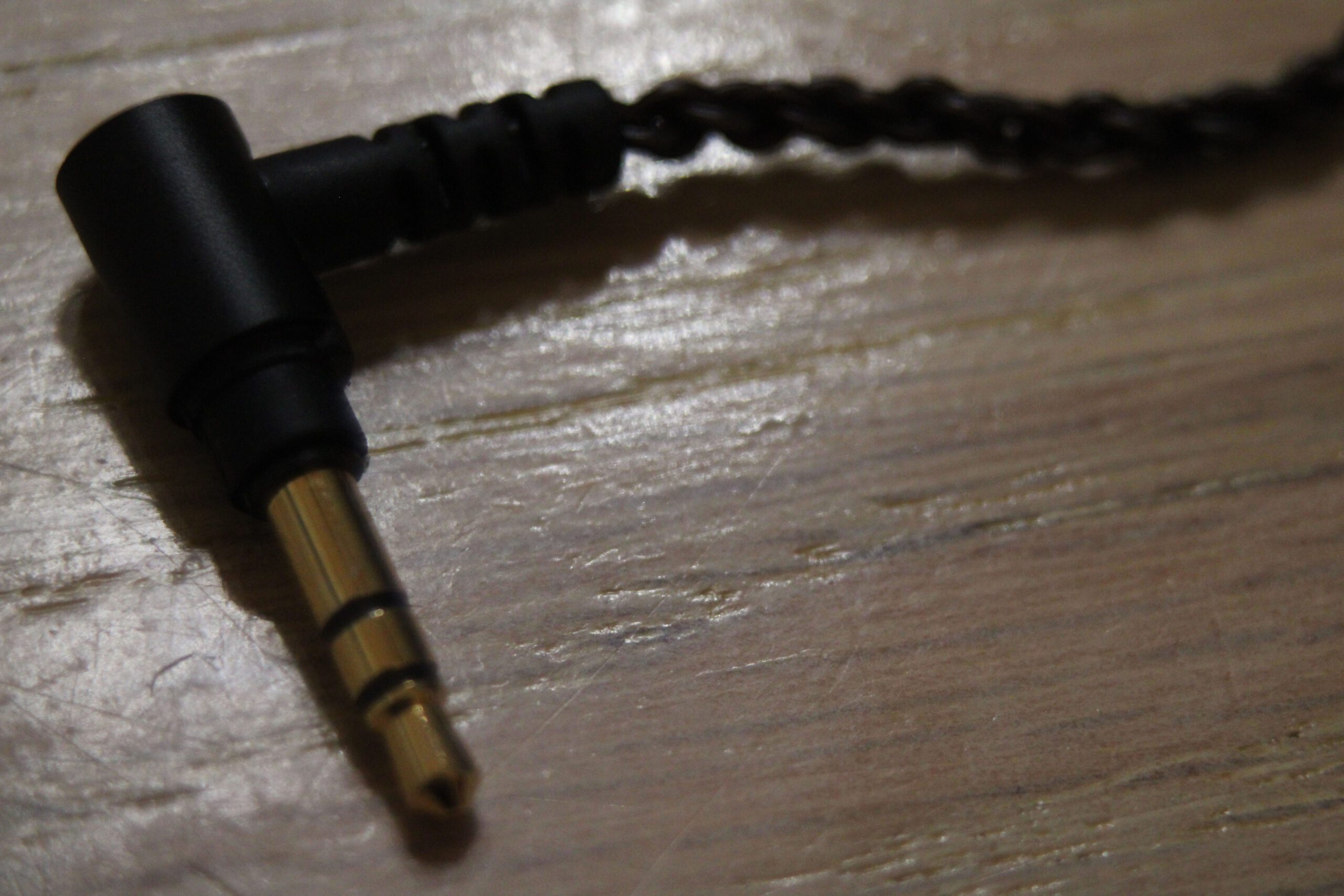
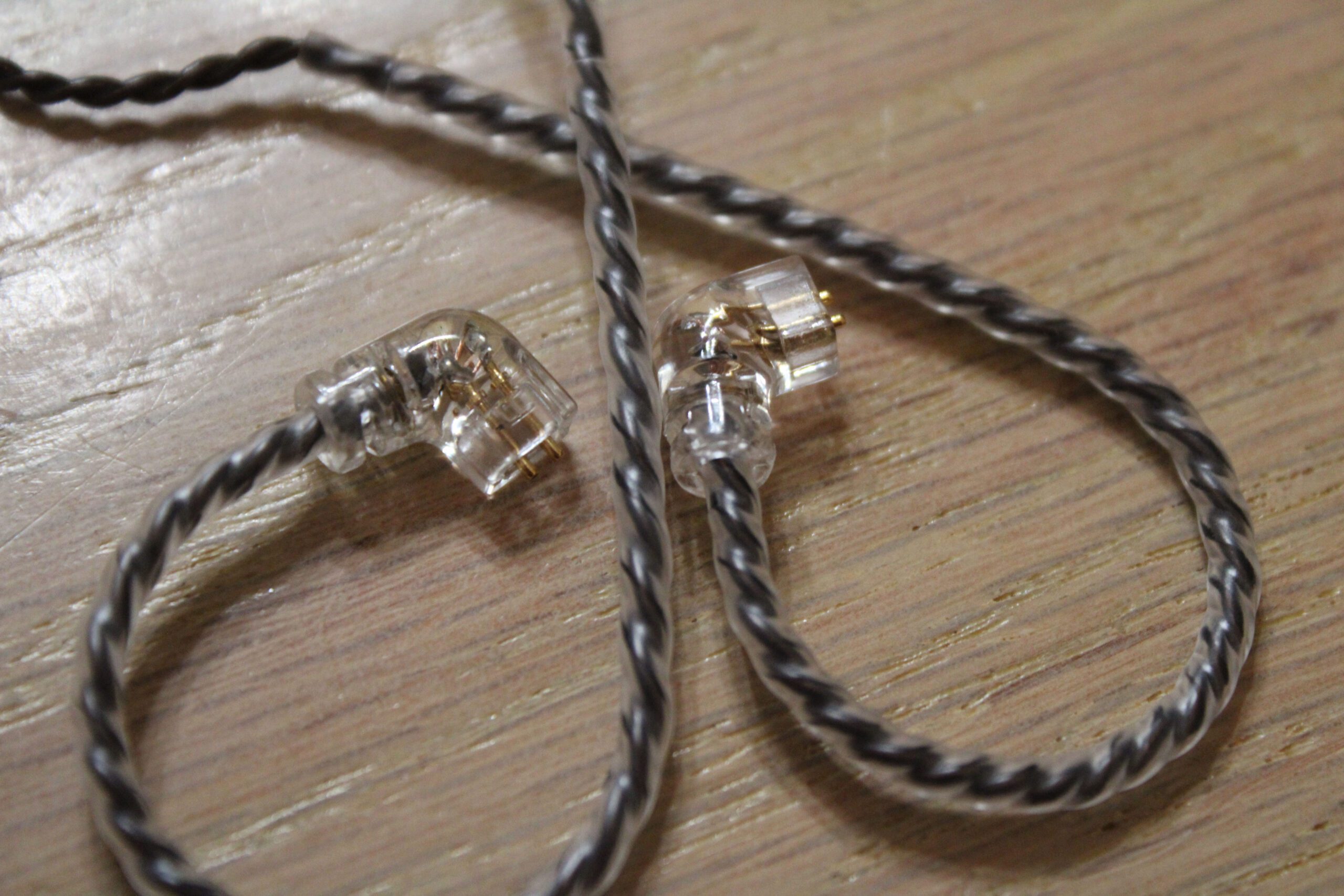
The cable provided with the v90s appears to be very similar to that provided with other TRN models. It uses the 90º style 3.5mm jack in black plastic housing (with the circle T logo on top) followed by a four strand double twist pattern cable in dark brown casing. TRN lists the material as 4-core 6N OCC copper. The splitter is a matching black plastic Y style with no strain reliefs above or below the splitter. Above the splitter, cables exit as twisted pairs running to pre-formed hooks and clear QDC style housings surrounding the .75mm bi-pin connector. QDC is the hooded style with the rounded edges on the female connector as compared to the Nx7 style that uses squared connectors. The cable is somewhat tangle prone so a cable tie or other cable management would be a nice addition to the package.

Sound:
Bass:
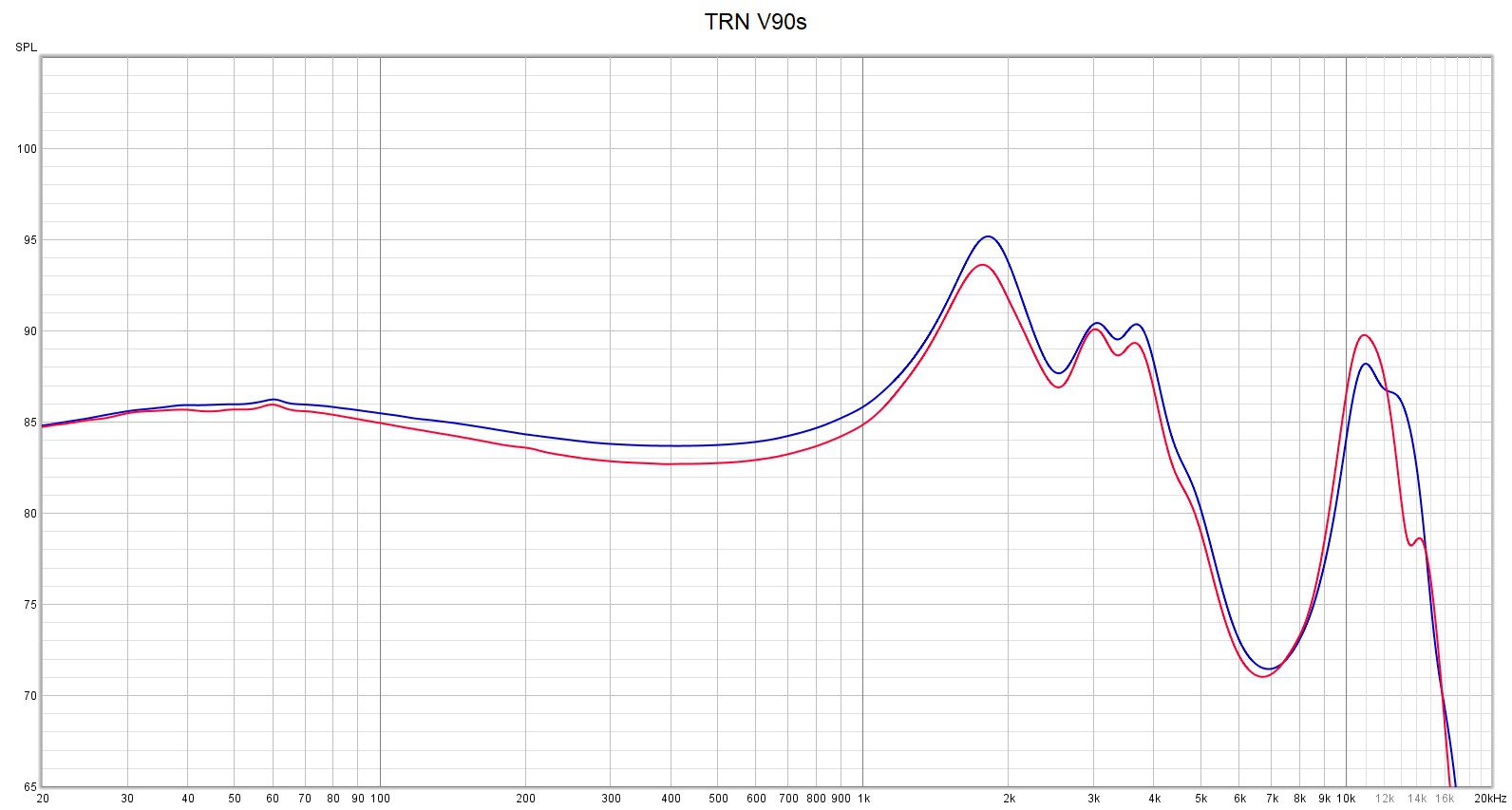
The v90s has surprisingly good bass all the way from the bottom up. It has good speed, and is more textured than expected at this price point. Sub-bass has good extension and a very modest elevation that gives the v90s good rumble when called for. Mid-bass has good slam without getting too aggressive or large and speed is a lot of the reason for this. Attack is very clean and decay lingers just long enough to give a bit of note weight but not long enough to get boomy or muddy. This may be the best feature of the v90s as it has bass that will likely please the basshead crowd while not offending those who like a bit less of it. That’s a tough rope to walk and the v90s does it quite adeptly.
Mids:
And we go from the star of the show to the extras. Mids are recessed considerably particularly the lower mids. Not due to mid-bass bleed as it is minimally present, but instead just due to tuning. The lower mids are a full step behind the upper-mids which does give the stage more dimension, but also means male vocals sound a bit distant compared to their female counterparts. Guitar growl is not as believable on the v90s as on some others in the price range as a result as well. Mids begin to climb back up as you move from the true mids into the upper-mids and then peak making the upper-mid/ lower treble junction the single largest focus of the signature. Female vocals can be a bit strident particularly if the track leans that way anyway. There is definitely some glare to be heard in the upper-mids and a bit of EQ helps greatly here.
Treble:
After peaking near the transition from mid to treble, the lower treble drops back part way but remains in front of the signature enough to remain a focal point. Once you cross from the lower treble into the true treble, the drop is rapid which keeps the v90s from sounding harsh but also limits snare rattle a bit as it lacks a little energy needed to sound entirely realistic. Cymbals also could use a bit more energy here as well. The good news is its a polite tuning, the bad news is it loses a little realism as a result. There is a jump around the 10kHz range that adds back a bit of air at the top end as well but sparkle is a bit limited and honestly I’d trade the air at the top for a bit more presence in the 6-7kHz range.
Soundstage / Imaging:
Stage is good with a bit more width than depth and instrument separation is above average as well. Unfortunately when seating the orchestra in one’s head, things are not so cleanly organized as there is some odd placement and imaging is a bit wonky for lack of a better word. At times, movements are easily tracked and positions fairly well defined, at others they seem to jump erratically. this seemed particularly notable with near center stage movements that were somewhat jerky. Layering is fairly good with very little compression as tracks get busier.
Comparisons:
TRN v90 –
We can’t review the v90s without asking what changed from its parent right? The 90s largely achieves the goal of retuning the v90. The V is shallower, the low end is better both in quantity (less of it compared to v90) and quality (better bass speed). Mids are similar between the two with slightly better upper mids on the v90s and treble is retuned to be less shouty than the original. Interestingly, the v90s didn’t use the same shell as the original, but while not the same both are roughly equal sized and equally comfortable.
TRN VX – The big brother
I include this one as it is one step up the chain from the v90s and currently can be found on Ali for roughly the same price point as the v90s. Both are all metal shells and even share some similar design aesthetics with the scalloping on the face. Both share A bit of V shape to their signatures, but the VX is a bit deeper V with a hotter treble which can make it a less pleasant listen than the v90s. I think the lows are more tightly defined and cleaner on the v90s and the highs are less piercing. winner v90s.
KZ BA10-
I could have used any of about 4 KZ models here that fit the price point and the BA10 is probably the one with the least in common with the v90s. So why pick it? Materials used are similar even if the Ba10 looks like KZ’s love letter to Iron-man. The shapes are very different with the squared off shape of the Ba10 making it uncomfortable for some. For those that can tolerate the shape, the ba10 rewards with good balance and excellent detail and even pretty good bass for an all ba affair. The v90s has better slam and rumble at the low end, and will appeal to the basshead crew while the ba10 will appeal to those who want more mid details and a smoother top end (As well as those with an Iron-man fetish).
CCA Ca16-
Shell wise the v90s wins hands down. The CCA looks like it was cobbled together of several plastic parts while the v90s looks much more professionally done. Sound wise the tables are flipped with the CCA delivering more detail, better mids, and more top end. The v90s wins for slam and rumble at the low end as its extension at that end is clearly better than the CCA. It will come down to what you like in the signature here.
CVJ CSN –
These two have similar build quality with both sporting metal shells and bi-pin connectors and both being of similar size. Fit and comfort are probably also a draw due to these similarities so the winner is going to come down to signature. The v90s has bigger bass than the CSN but both have about equal bass quality so for those looking for slam and rumble, the v90s gets a point. Mids are much less recessed on the CSN and it has a more natural tonality to guitar and strings as a result so that point goes to the CSN. Treble isn’t fantastic on either, but is better on the CSN as it doesn’t have the large valley above 4kHz followed by the spike at 10-12kHz that dominates the upper range of the v90s. I like a more linear signature so the CSN gets my nod but I can see how the v90s would hold appeal for movie watching or bass heavy genres like hip hop.
Thoughts / Conclusion:
The TRN V90s has a clear goal stated by the name alone, to improve on the original v90 model and in some ways it succeeds by large margins while in other places those margins are markedly smaller. Shells are about equal for me so no real difference between the two. Bass is vastly improved and while there is slightly less of it, it is deeper, faster, and better controlled which makes the v90s a good choice for those looking for Slam. Mids are on about an even footing with the original but the retuning of the upper mids and treble means they are more enjoyable even if not markedly improved as the v90s is less shouty and strident compared to its parent. I wish it had a bit more even treble but I understand the choices made as it is polite if nothing else which is certainly not what I wrote about the original. With a ton of competition in the $50 space, it is near impossible to declare a single winner among the lot, but at the same time the v90s does carve out some space for itself with better bass than most. For movie listening or hip-hop, dubstep etc, its well worth an audition.
TRN v90s
-
Bass - 7.5/107.5/10
-
Mids - 6/106/10
-
Treble - 6.5/106.5/10
-
Soundstage - 7/107/10
-
Imaging - 6/106/10
Summary
Pros: Nice build, good bass extension, quantity, and speed, treble isn’t as hot as previous generation
Cons: recessed mids, uneven treble, limited kit